Diwali 2026 Insurance Guide for Homes Shops and Businesses

Diwali brings light, guests, stocks of festive goods, late-night travel and community events. It also brings a higher chance of fire, electrical faults, accidental damage, theft and business interruption. A little planning before the celebrations can make a real difference if something goes wrong.
This Diwali insurance India guide is for households, shopkeepers, businesses, housing societies and community organisers. It explains how different policies may respond, subject to the wording, exclusions, limits and sums insured in each policy.
This article is for general information only. Insurance cover varies by insurer and policy terms, so check your policy schedule and speak to a qualified insurance adviser before relying on any cover.

Why Diwali changes the risk picture
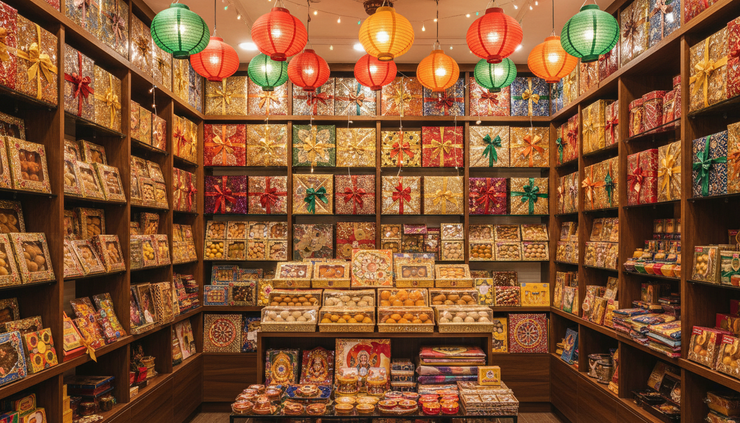
During the festive period, many homes and businesses run at a different pace. Homes may have extra lighting, more cooking, candles, diyas and visitors. Shops may carry higher stock than usual. Warehouses may handle more packaging material. Housing societies may organise fireworks, food stalls or cultural programmes.
Common Diwali risks include:
Fire from diyas, candles, fireworks or cooking
Electrical fire from overloaded sockets, old wiring or decorative lights
Property damage from smoke, water used to control fire, or accidental impact
Theft during travel, extended shopping hours or crowded events
Injury to guests, customers, staff or residents
Business interruption if a shop, workshop, warehouse or office cannot operate
The same incident can affect different policies. For example, a fire in a shop may involve property insurance, stock cover, business interruption cover, liability cover and motor insurance if a parked vehicle is damaged.
How home and property insurance may respond
A Diwali home insurance policy may cover fire damage to the building or household contents if fire is an insured peril under the policy. That may include damage from an accidental electrical fire or a lamp that ignites curtains, but only if the claim fits the policy terms.
A homeowner in Pune with decorative lights across a balcony, or a family in Chennai hosting guests with diyas near soft furnishings, should check whether both the structure and contents are insured. Tenants should check contents cover, since the building may be insured by the owner.
Property insurance India policies often separate cover for:
Building structure
Furniture, appliances and fixtures
Jewellery, valuables or high-value items
Electrical and electronic equipment
Temporary additions or decorations
For high-value items, the policy may need item-wise declaration, valuation or a separate add-on. If expensive appliances, home theatre systems or jewellery are not declared properly, the payout may be limited.

What shopkeepers and businesses should review before Diwali
For many shopkeepers, Diwali is peak season. Retailers in Mumbai, Delhi, Ahmedabad and Kolkata may hold extra stock of garments, electronics, sweets, gifts, decorations or packaging material. Small manufacturers in Bengaluru or Hyderabad may also run additional shifts before the festival.
A shop insurance India policy may include cover for fire, burglary, stock, furniture, fixtures, cash in safe, electronic equipment and public liability. Businesses should check whether the sum insured reflects festive stock levels, not just normal monthly stock.
Business insurance may respond to fire damage if fire is covered and no exclusion applies. A business interruption section, if purchased, may help with loss of gross profit or fixed expenses during the period when operations are affected. This cover usually depends on an insured property damage event first taking place.
Useful covers to review include:
Fire and special perils
For building, stock, furniture and equipment.
Burglary and theft
For forced entry, theft of stock or specified assets, based on policy wording.
Money insurance
For cash in safe, cash in transit or cash at the counter, if included.
Electronic equipment insurance
For point-of-sale systems, computers, CCTV and other devices.
Business interruption
For loss of income after insured physical damage, if selected.
Public liability
For injury or property damage claims by third parties, subject to policy terms.
Community organisers and housing societies should be especially careful with public liability. If a visitor is injured at a Diwali event, or a temporary decoration falls and damages a vehicle, liability cover may become relevant. Permissions, safety measures and event conditions can affect claims.
Why exclusions and sums insured matter
Insurance does not work well when the insured value is too low. If a shop normally carries ₹20 lakh of stock but holds ₹45 lakh before Diwali, an old sum insured may not be enough. Underinsurance can reduce the claim amount, even for partial losses, depending on average clause conditions.
Exclusions matter just as much. Policies may restrict or exclude damage linked to illegal fireworks, deliberate acts, poor maintenance, unapproved electrical work, wear and tear, or storage of hazardous material. Some policies may have conditions around fire safety equipment, security systems, warranties, deductibles or claim reporting timelines.
The safest Diwali insurance plan is one that matches the real exposure, not last year’s paperwork.
Ask these questions before the festive rush:
Does home insurance cover fire damage during Diwali under this policy?
Does property insurance cover electrical fire caused by decorative lighting or wiring?
Does business insurance cover fire, stock damage and business interruption?
Does the policy include theft, burglary or only fire-related damage?
Are temporary stalls, society events or community celebrations covered?
Are fireworks, open flames or temporary electrical installations subject to special conditions?
A practical Diwali insurance checklist
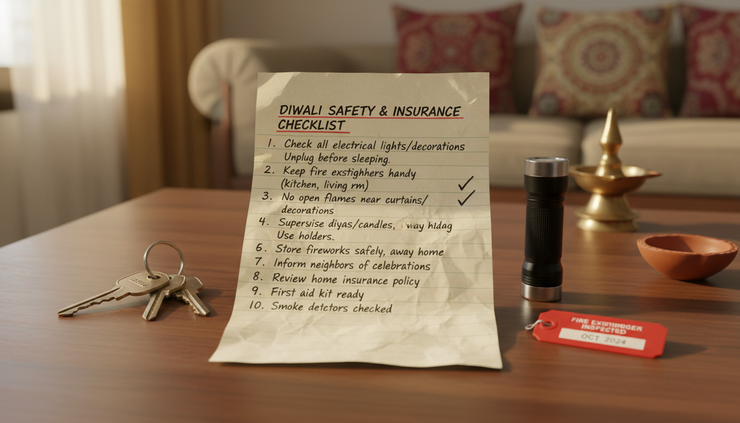
Use this checklist at least a few weeks before Diwali 2026, while there is still time to update policies or improve safety.
Review home, shop, property, motor and business policies.
Check whether fire, electrical fire, theft and accidental damage are included.
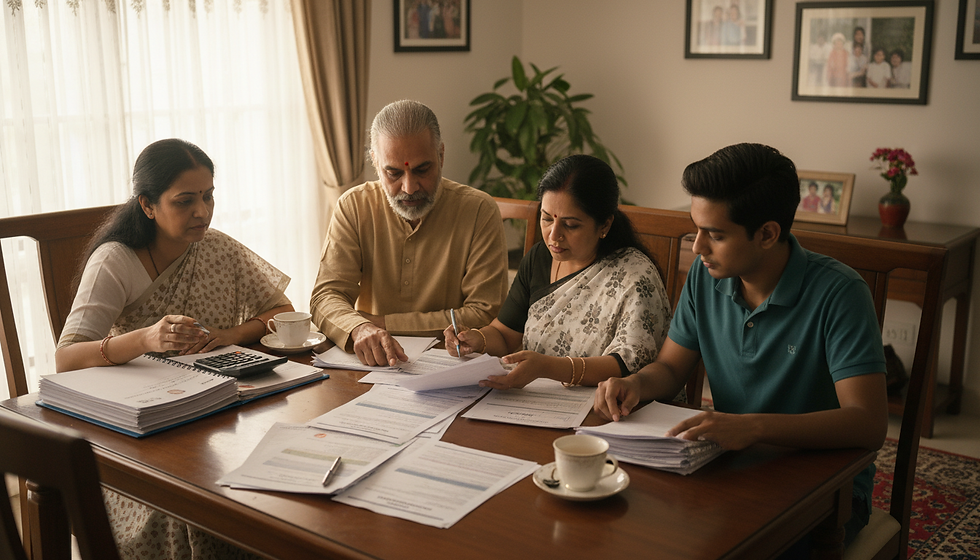
Match the sum insured to current building value, contents value and festive stock.
Declare high-value items, equipment and unusual stock where required.
Check business interruption cover and the indemnity period.
Review public liability cover for shops, housing societies and event organisers.
Inspect wiring, plug points, extension boards and decorative lights.
Keep invoices, stock records, valuation reports and photos of insured assets.
Test fire extinguishers, alarms, CCTV and locks.
Keep emergency contacts and policy numbers accessible.
Do not block exits, staircases, driveways or fire equipment.
Confirm motor insurance status for vehicles used for deliveries, travel or event work.
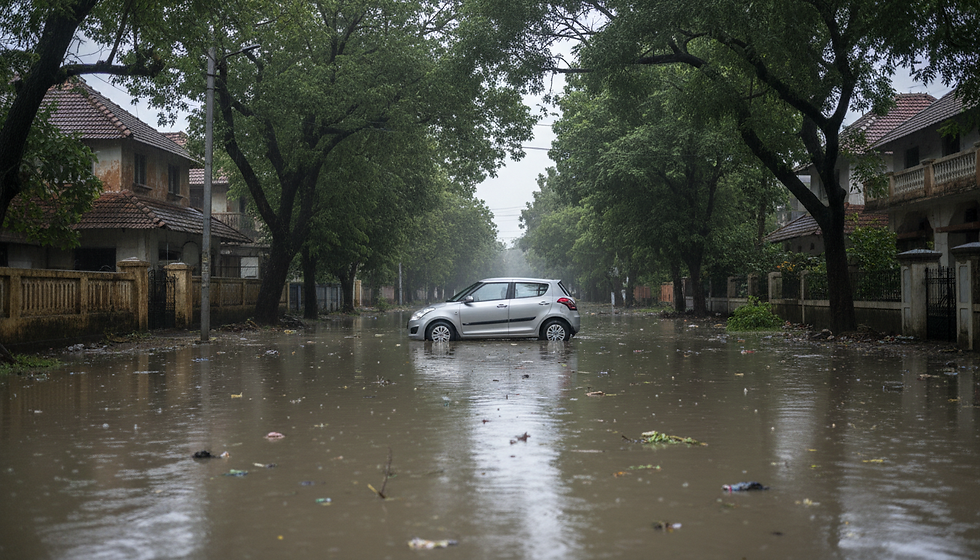
Motor insurance can also matter during Diwali. Crowded roads, late-night driving and parked vehicles near celebrations can increase accident risk. Comprehensive motor insurance may cover own damage from accidents, fire or certain external events, subject to policy wording. Third-party motor insurance only addresses third-party liability and will not pay for damage to the insured vehicle.
Prepare before the first diya is lit
Insurance should sit alongside basic safety, not replace it. Keep flames away from fabric and paper. Avoid overloaded sockets. Store stock carefully. Check locks and CCTV before holiday travel. For community events, plan crowd movement, electrical work, fire safety and first aid.
Before the celebrations begin, make sure the things you value are protected. TrustCare Insurance provides personalised insurance guidance across India, including support for homes, shops, businesses, housing societies and community organisers.
A good Diwali plan protects people first, then property, income and continuity. Review cover early, read the exclusions, set adequate sums insured and celebrate with fewer worries.

Comments