Does Car Insurance Cover Flood Damage in India?

A flooded street can damage a car in minutes. Water can enter the cabin, reach electrical parts, contaminate fluids, or get pulled into the engine if someone tries to start the vehicle. In cities such as Mumbai, Chennai, Bengaluru, Hyderabad, Delhi NCR, Guwahati, and Kochi, heavy rain and waterlogging make this a real risk for vehicle owners.
So, does car insurance cover flood damage in India? It can, but only if the policy includes own-damage protection, usually through a comprehensive car insurance policy or a standalone own-damage policy. A basic third-party policy does not pay for damage to your own car.
This guide explains how a car insurance flood claim usually works in India, what damage may be considered, when engine damage can become complicated, and what to do immediately after your car is affected by floodwater. This article is for general information only. Actual claim decisions depend on the policy wording, add-ons, inspection, exclusions, and insurer assessment.

What type of car insurance covers flood damage?
Flood damage car insurance India questions usually come down to one point: what kind of motor insurance policy do you have?
In India, car insurance is commonly discussed in three broad forms.
Policy type | What it usually covers | Flood damage to your own car |
Third-party liability insurance | Injury, death, or property damage caused to another person or vehicle | Usually not covered |
Standalone own-damage insurance | Damage to your own car from covered risks | May be covered, subject to terms |
Comprehensive car insurance | Third-party liability plus own-damage protection | May be covered, subject to terms |
A third-party policy is mandatory under Indian motor law, but it is limited. If your car is submerged in a basement parking area during monsoon flooding, a third-party-only policy will generally not pay to repair your car.
A comprehensive car insurance India policy is broader. It usually includes own-damage protection for events such as accidents, theft, fire, and certain natural disasters. Floods, cyclones, storms, inundation, and landslides are commonly listed among insured perils in many policies, but the exact wording matters.
A standalone own-damage policy may also respond to natural disaster damage if the event and damage fall within the policy terms.
The practical answer is this:
If you have only third-party insurance, flood damage to your own car is usually not covered. If you have comprehensive or own-damage cover, flood-related damage may be considered, subject to exclusions, deductibles, and add-ons.
What flood damage is usually considered in a claim?
Flood damage is not always a single type of loss. Water can affect a vehicle in several ways, and each item may be assessed differently during inspection.
Common damage considered in a water damaged car insurance claim may include:
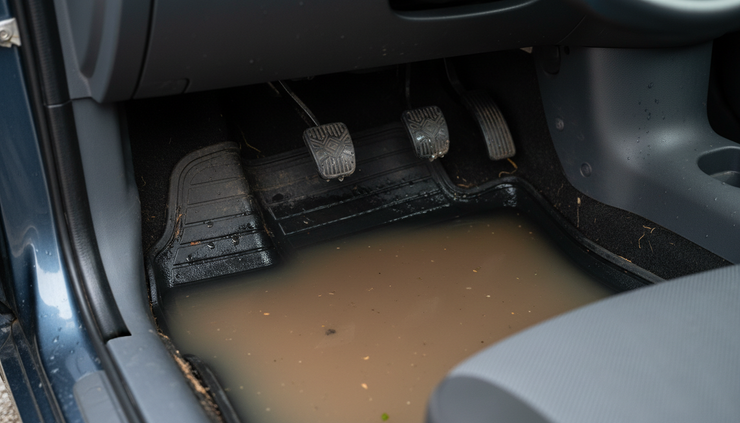
Cabin water ingress Water entering the floor, seats, carpet, dashboard area, boot, or door panels.
Electrical and electronic damage Damage to sensors, wiring, infotainment systems, lights, control modules, power windows, central locking, and other components.
Mechanical damage Damage to parts caused by water exposure, contamination, or corrosion.
Engine-related damage Water entering the air intake or engine bay can be serious. Coverage depends heavily on policy terms and add-ons.
Damage caused by storm or falling objects A tree branch falling on the bonnet during a storm may be treated differently from damage caused by waterlogging, but both may fall under own-damage cover if the policy permits.
Towing and emergency movement Some policies include towing up to a specified limit. Others may require an add-on or reimburse only approved expenses.
For example, if a parked car in Chennai is damaged because rainwater enters the cabin and affects the wiring, a comprehensive policy may allow the owner to register a claim. The insurer will assess the cause, extent of damage, repair estimate, depreciation rules, deductible, and any exclusions.
By contrast, if a driver tries to force a car through a flooded underpass in Gurugram and the engine stalls, the claim may need closer review. The insurer may examine whether the damage was directly caused by floodwater, driving action, or attempting to restart the vehicle.
Does comprehensive insurance cover water damage?
Comprehensive insurance may cover water damage when the damage is caused by an insured event such as flood, storm, cyclone, or inundation. That said, it does not mean every water-related loss will automatically be paid.
A comprehensive policy may consider:
floodwater entering a parked vehicle
storm-related damage to the car body
electrical failure linked to water ingress
interior damage caused by flooding
towing after a covered flood loss, if allowed under the policy
It may not fully cover, or may reduce payment for:
wear and tear
gradual rusting or corrosion over time
damage worsened by starting the engine after flooding
losses outside the policy period
repairs done before inspection without insurer approval
excluded parts or consumables unless add-ons apply
costs above policy limits or claim limits
This is why the phrase “flood insurance car India” can be misleading. Flood protection for a car is not usually a separate basic policy. It is generally part of own-damage or comprehensive motor insurance, often strengthened through suitable add-ons.
Is engine damage covered after flooding?
Engine damage is one of the most disputed parts of many flood claims. Water can enter the engine through the air intake. If the car is started or driven while water is present, the engine can suffer severe internal damage, often called hydrostatic lock or hydrolock.
Some comprehensive policies may cover flood-related damage to the vehicle. But engine damage due to water ingress may be restricted or excluded unless the policy has an engine protection add-on. The exact outcome depends on the insurer, policy wording, cause of loss, and claim inspection.
An engine protection add-on may help with certain costs linked to:
water entering the engine
lubricant oil contamination
gearbox damage due to water ingress
internal engine part damage caused by flooding
This add-on is often more relevant in flood-prone areas or for newer cars where engine and gearbox repair costs can be high. It may not be available for all vehicles or all ages of vehicles.
The safest rule after flood exposure is simple: do not start the car. Even one attempt can worsen engine damage and complicate the claim.
What should you do immediately if your car is flooded?
Fast action can protect the vehicle and support the claim. After floodwater reaches your car, take these steps.
Stay safe before checking the vehicle
Do not walk through deep or fast-moving water to reach the car. Avoid touching the vehicle if there is any risk of electric shock, especially in a basement parking area with submerged electrical points.
Do not start or crank the engine
This is the most important step. Do not use the ignition, push-start button, or jump-start method. If water has entered the intake, starting the car may cause major engine damage.
Take photos and videos
Record the vehicle from all sides. Capture the water level mark, cabin condition, number plate, damaged areas, and surrounding location. If the car was parked in a society basement or mall parking area, take photos showing the flood level if safe.
Inform the insurer quickly
Claim intimation should be done as soon as possible through the insurer’s helpline, website, app, or authorised agent. Give basic details such as:
policy number
vehicle registration number
date and time of loss
location of flooding
whether the car was parked or being driven
visible damage
towing requirement
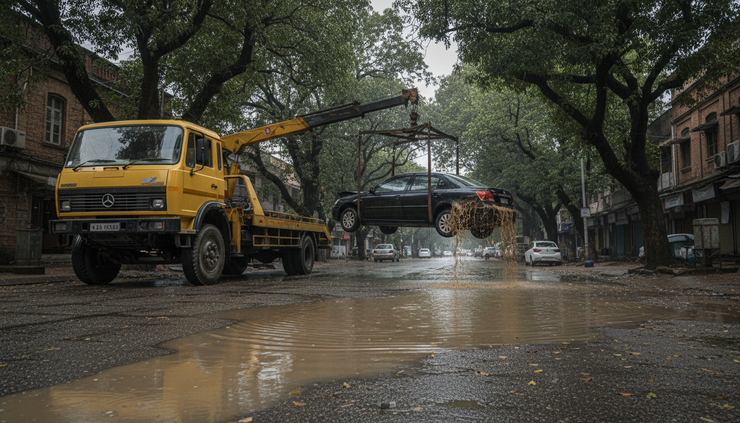
Arrange towing through approved channels
Do not try to drive the car to a garage. Ask the insurer about authorised towing, network garages, and claim process requirements. Keep towing receipts if the insurer allows reimbursement.
Wait for inspection before repairs
Insurers usually appoint a surveyor or assessor before approving repairs. Starting repairs without approval may make it harder to prove the damage and its cause.
What actions can complicate a car insurance flood claim?
A car claim after flood can become difficult if the insurer believes the damage was avoidable, aggravated, or poorly documented. Avoid these common mistakes.
Starting the car after water exposure This can turn manageable water ingress into engine failure.
Driving through deep water knowingly If the vehicle stalls in a flooded underpass and is repeatedly restarted, the claim may be questioned.
Delaying claim intimation Late reporting can weaken the link between the flood event and the damage.
Removing damaged parts before inspection The surveyor needs to verify the loss. Repairing too early may affect claim approval.
Cleaning the car completely before photos Some cleaning may be needed for safety, but document the condition first.
Using an unauthorised garage without insurer guidance This can affect cashless repair options and assessment.
Making incorrect statements If the car was driven through water, say so. Wrong information can create bigger problems later.
Can you claim total loss after flood damage?
Yes, a flood-damaged car may be treated as a total loss or constructive total loss in some cases. This generally happens when the estimated repair cost is very high compared with the insured declared value, known as IDV, or when the vehicle is uneconomical to repair under policy rules.
For example, a newer SUV submerged in a basement in Bengaluru may have water damage to the engine, gearbox, electrical modules, airbags, wiring harness, and interiors. If repairs are extensive, the insurer may assess whether the vehicle should be repaired or settled as a total loss, subject to policy conditions.
Total loss claim settlement may involve:
surveyor assessment
repair estimate from garage
IDV check
salvage evaluation
ownership and transfer formalities, where applicable
deduction of compulsory deductible and other applicable charges
The IDV is not the same as the showroom price or resale price. It is the sum insured value stated in the policy. Claim settlement cannot be understood properly without checking the IDV, deductible, depreciation terms, add-ons, and exclusions.
Deductibles, depreciation, and add-ons affect the final payout
Even when a flood claim is admissible, the insurer may not pay every rupee of the garage bill. The final claim amount can be affected by several factors.
Compulsory deductible
Every car policy generally has a compulsory deductible. This is the amount the policyholder pays in each claim.
Voluntary deductible
If selected at purchase, this increases the amount paid by the policyholder during a claim.
Depreciation
Parts may be paid after applying depreciation, unless a zero-depreciation add-on applies and the claim fits its conditions.
Consumables
Items such as engine oil, nuts, bolts, lubricants, coolant, and similar consumables may not be fully covered unless the policy has a consumables add-on.
Engine protection
This can be useful for flood-related engine or gearbox damage, depending on wording.
Roadside assistance
This may help with towing and emergency support, but claim limits and service availability can vary.
Return to invoice
In severe total loss or theft cases, this add-on may help bridge the gap between IDV and invoice value, subject to policy conditions.
These details explain why two car owners in the same flooded parking area may receive different claim outcomes. Their policies, add-ons, vehicle age, IDV, deductibles, damage pattern, and actions after flooding may all differ.
Why policy terms matter in natural disaster claims
Motor insurance natural disaster claims depend on wording. A policy may list floods, storms, cyclones, typhoons, hurricanes, inundation, hailstorms, landslides, and rockslides as covered perils under own-damage. Yet exclusions still apply.
Before the monsoon, check:
whether your policy is only third-party or comprehensive
whether own-damage cover is active
the policy expiry date
IDV amount
compulsory and voluntary deductibles
engine protection add-on
zero-depreciation add-on
consumables add-on
roadside assistance or towing limits
network garage availability in your city
claim intimation rules
This is especially useful in flood-prone areas such as low-lying neighbourhoods, basement parking zones, coastal regions, river-adjacent cities, and areas with repeated waterlogging.
Quick answers to common flood claim questions
Does car insurance cover flood damage?
Yes, a comprehensive or own-damage policy may cover flood damage to your car, subject to terms and exclusions. A third-party-only policy usually does not cover damage to your own vehicle.
Does comprehensive insurance cover water damage?
Comprehensive insurance may cover water damage caused by insured events such as flooding, storms, or inundation. Coverage is not automatic for every water-related issue, especially if the damage was worsened by starting or driving the car.
Is engine damage covered after flooding?
Engine damage may be covered only in certain situations. Many policies restrict engine damage due to water ingress unless an engine protection add-on is active. Check the wording before assuming coverage.
What should I do if my car is flooded?
Do not start the car. Take photos and videos, inform the insurer quickly, arrange towing, and wait for surveyor inspection before repairs.
Can I claim total loss after flood damage?
Yes, if the vehicle is badly damaged and repair costs are high compared with the IDV, the insurer may assess it as total loss or constructive total loss under policy terms.
The practical takeaway for Indian car owners
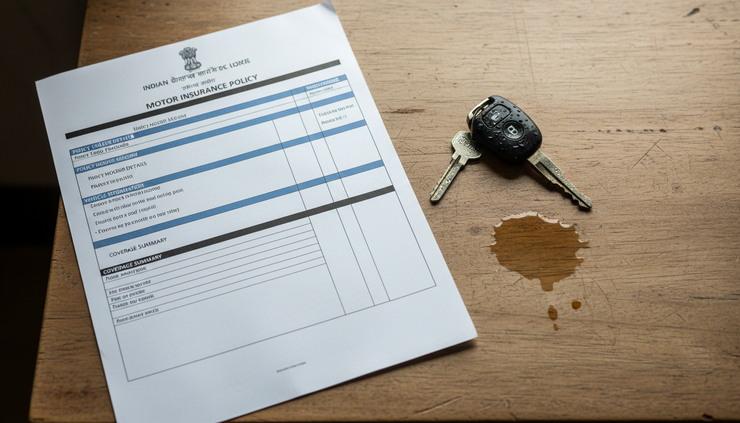
Flood damage claims are not all treated the same. The key difference is whether the car has only third-party insurance or includes own-damage protection. Comprehensive cover can help with flood, storm, and natural disaster damage, but deductibles, depreciation, add-ons, inspections, limits, and exclusions shape the final claim.
If floodwater has affected your vehicle, protect your claim by not starting the engine, documenting the damage, informing the insurer quickly, and using approved towing or repair guidance.
If your vehicle has been affected by unexpected damage, TrustCare Insurance can provide guidance on your motor insurance and claim process. A careful review of your policy today can make a difficult claim situation easier to handle tomorrow.


Comments