Winter Travel Insurance 2026 for Indians Travelling Abroad in November

A November trip abroad can look simple on paper, until fog delays a connection, a winter storm closes an airport, or a hospital asks for payment before treatment. For Indians travelling overseas during the winter travel season, travel insurance is not just a visa formality. It is a financial safety net for medical and travel disruptions away from home.
This guide explains what to check before buying travel insurance November 2026, especially for Europe, the USA, Canada, the UK, Japan, South Korea and other cold-weather destinations.
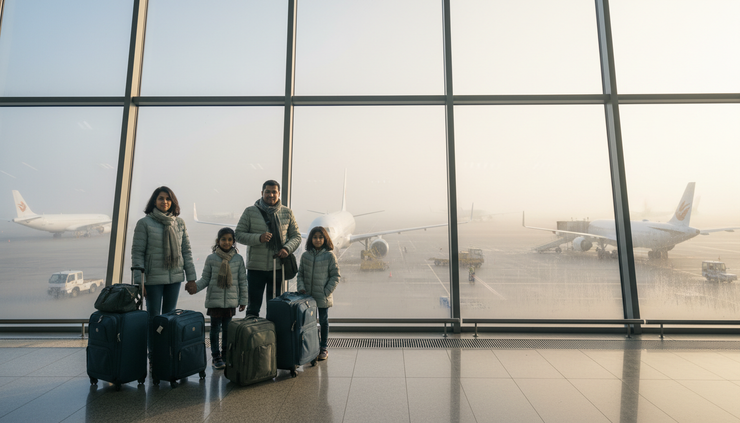
Why winter travel insurance matters in November
November is when many Indian travellers start flying for year-end holidays, student visits, business-linked trips, family functions and long winter breaks. It is also when weather risks begin rising in many countries.
Winter travel insurance India searches often peak because travellers need cover for more than routine delays. Snowfall, freezing rain, fog and airport congestion can affect itineraries. Medical costs can also be much higher abroad than in India, especially in the USA, Canada and parts of Europe.
Do you need travel insurance for winter travel? Yes, if the trip involves international flights, expensive bookings, visa requirements, ageing parents, children, adventure activities, or destinations with severe weather. Some visas also require proof of insurance, such as Schengen travel insurance for many Europe trips.
Travel insurance is not a replacement for careful planning. It helps reduce financial loss when covered events disrupt the plan.
What international travel insurance usually covers
International travel insurance India policies vary by insurer and plan, but most comprehensive plans focus on these major areas.
Medical emergencies and hospitalisation
Overseas medical insurance can cover treatment for sudden illness or injury abroad. This may include doctor visits, hospitalisation, diagnostic tests, prescribed medicines, emergency dental treatment and medical evacuation, depending on the plan.
This matters most in destinations with high medical costs. For example, even a short hospital visit in the USA can be expensive. In Europe, treatment may still cost a lot for non-residents. In Japan or South Korea, language support and cashless networks can also matter.
Does travel insurance cover medical emergencies abroad? Generally, yes, if the emergency is covered under the policy and is not excluded. Always check the sum insured, hospital network support, claim process and emergency assistance number before departure.
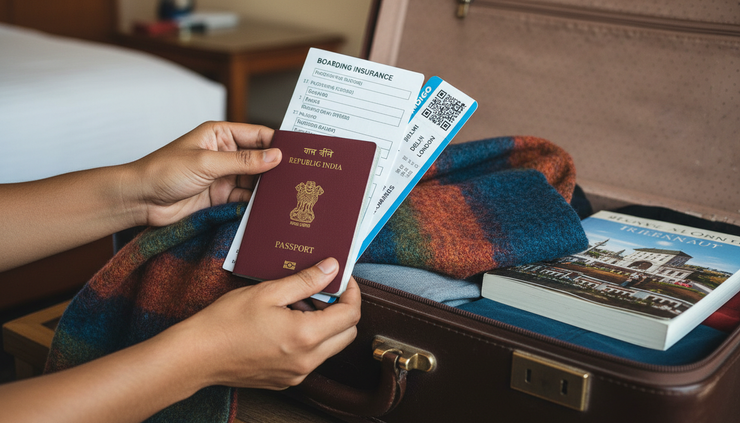
Trip cancellation and curtailment
Trip cancellation cover may reimburse non-refundable bookings if the cancellation reason is covered. Common examples can include serious illness, injury, hospitalisation, death of an immediate family member, or another listed emergency.
Trip curtailment applies when the trip has already started and must be cut short for a covered reason. Read this section carefully because “change of mind” or routine visa delay may not be covered unless the policy says so.
Travel delays and missed connections
Does travel insurance cover flight delays? Many plans do, but only after a specified waiting period and only for listed reasons. Covered reasons may include bad weather, airline operational issues, natural disasters, or strike-related disruption, depending on the wording.
Check whether the benefit pays a fixed amount or reimburses expenses such as meals, hotel stay and local transport. For connecting flights through hubs like Dubai, Doha, Frankfurt, London or Istanbul, missed connection cover can be useful.
Baggage loss, delay and passport loss
Baggage cover can help when checked-in luggage is lost, delayed or damaged by the airline. A baggage delay benefit may pay for essentials such as toiletries, warm clothing and basic garments.
Passport loss cover can help with reasonable costs linked to getting a duplicate or emergency travel document. This can be valuable in countries where the Indian embassy or consulate is far from where you are staying.
Emergency assistance
A strong plan should include 24x7 emergency assistance. This can help with hospital coordination, claim guidance, translation support, medical evacuation, family travel arrangements and repatriation in serious cases.
Destination checks for cold weather and high-cost countries
Different destinations bring different insurance needs. A single cheap policy may not fit every trip.
Destination | What to check before buying |
Schengen Europe | Minimum visa insurance rules, medical cover limit, repatriation, validity across all Schengen countries |
USA | High medical cover, hospitalisation benefits, deductible amount, emergency evacuation |
Canada | Winter storm disruption, medical limits, cover for visiting family for longer stays |
UK | Trip delay, baggage delay, medical emergencies and personal liability |
Japan and South Korea | Medical assistance, language support, winter activity exclusions |
Switzerland, Austria and Nordic countries | Skiing or snow activity add-ons, weather disruption, rescue costs |
If the trip includes skiing, snowboarding, snowmobiling, glacier walks or high-altitude activities, do not assume they are covered. Many policies exclude winter sports unless an add-on is purchased.

For travel insurance for Europe, check if the plan meets Schengen requirements. For travel insurance USA, focus on higher medical limits and deductibles. For travel insurance for Indians visiting multiple countries, confirm that the policy covers every destination and transit country listed in the itinerary.
Policy details Indians should check before paying
The cheapest plan is not always the best plan. Before buying, review these details.
Coverage limits Check the maximum payout for medical treatment, hospitalisation, evacuation, baggage and cancellation.
Deductibles This is the amount you pay before the insurer pays. A low premium with a high deductible may not suit every traveller.
Exclusions Read what is not covered. Common exclusions may include intoxication, self-inflicted injury, risky activities, unattended baggage, travel against medical advice and events that were known before buying the policy.
Pre-existing-condition clauses If a traveller has diabetes, heart disease, asthma, hypertension or another existing condition, check the policy wording carefully. Some plans exclude pre-existing conditions. Some may cover life-threatening emergencies linked to them, only under specific terms.
Claim documents Keep boarding passes, airline delay certificates, medical bills, prescriptions, police reports for theft, and PIR reports for baggage issues.
Policy dates Cover should start before departure from India and continue until return. If the trip is extended, ask whether extension is allowed before the policy expires.
This article is for general information only. Policy benefits depend on the insurer, plan terms and claim assessment.
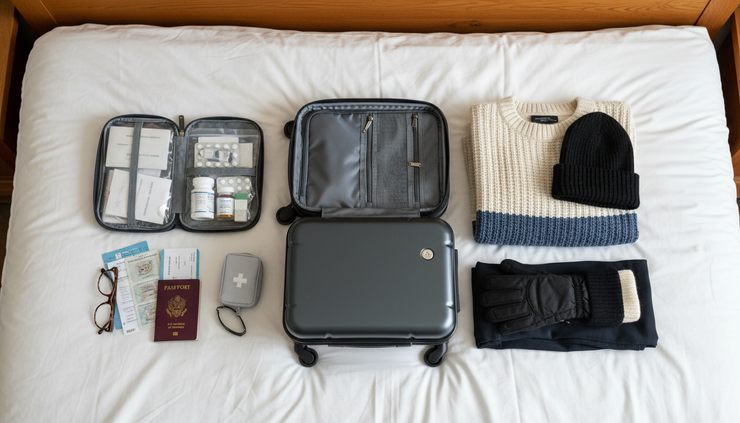
FAQs about winter travel insurance for Indians
What does international travel insurance cover?
It can cover medical emergencies, hospitalisation, trip cancellation, travel delay, baggage loss, passport loss, emergency evacuation and assistance services. Exact cover depends on the plan.
Is travel insurance compulsory for Europe?
For many Schengen visa applicants, valid Schengen travel insurance is required. The policy must meet visa rules and cover the full travel period.
Should senior citizens buy overseas medical insurance?
Yes, especially for countries with high healthcare costs. They should check age limits, medical cover, deductibles and pre-existing-condition terms.
Can I buy insurance after booking flights?
Yes, but buying early is usually better because cancellation benefits often apply only after the policy starts and only for covered reasons.
What should Indians check before buying travel insurance?
Check destination rules, medical limits, exclusions, deductibles, emergency support, pre-existing-condition clauses, baggage benefits and claim documents.
Before you fly
A good winter policy should match the destination, trip length, traveller age, medical history and planned activities. For November 2026 trips, compare more than the premium. Look closely at medical cover, delay benefits, cancellation rules and exclusions.
Travelling internationally? TrustCare Insurance helps Indian travellers understand and compare suitable travel insurance options.
The best time to check travel insurance is before a problem begins, not after a flight is cancelled or a hospital bill arrives.
Comments