Diwali Business Insurance India What Retailers Should Review Before November 2026

Diwali can turn a normal shop into a high-value risk zone almost overnight. More stock arrives, electrical loads rise, footfall increases, temporary storage gets squeezed, and cash movement often goes up. In 2026, Diwali falls on 8 November, which gives Indian retailers a clear October-to-early-November window to review cover before the rush peaks.
For jewellers, electronics stores, clothing shops, restaurants, warehouses, wholesalers and small businesses, insurance should not be a last-minute formality. A policy bought years ago may not match the value of festive inventory sitting in the shop today. A warehouse that usually holds modest stock may carry several times more goods before Diwali. A restaurant that adds decorative lighting, outdoor stalls or festive catering may face risks not reflected in its usual cover.
This guide explains what to review before November 2026, what questions to ask, and where gaps often appear in Diwali business insurance India, shop insurance India, festive season insurance, retail business insurance, fire insurance for shops, stock insurance India, business insurance Diwali, commercial insurance India searches.
This article is for general information only. Coverage depends on the policy wording, insurer terms, declared values, exclusions and claim assessment.
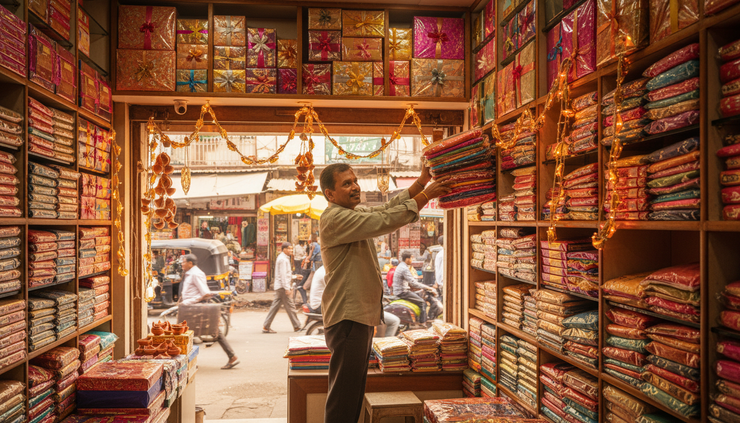
Why Diwali changes the risk profile for shops and small businesses
The festive season brings sales, but it also changes the math behind business risk. A shop that usually stores ₹10 lakh worth of goods may hold much more in October. A jeweller may carry extra gold, silver coins and gift items. An electronics store may bring in extra phones, televisions, laptops and accessories. A clothing shop may stock sarees, ethnic wear and children’s festive collections in large quantities.
The main risks usually increase together.
Fire and electrical incidents
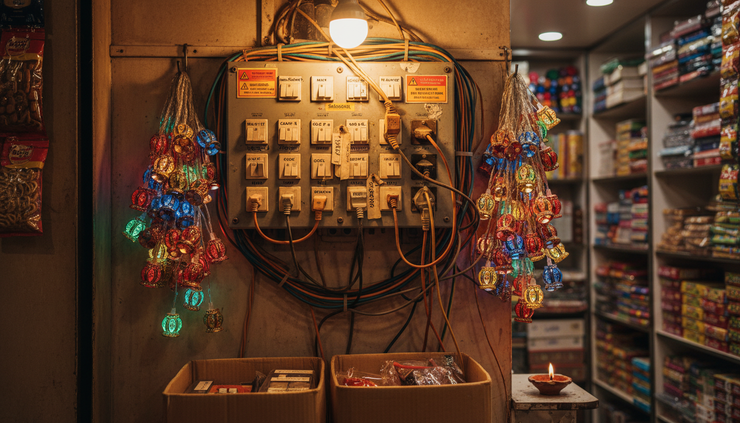
Diwali means lighting, decorative installations, more appliance usage and longer shop hours. Overloaded sockets, temporary wiring, ageing switchboards and nearby firecracker activity can raise the risk of fire or smoke damage.
Theft and burglary
High-value stock and increased customer movement can create openings for theft. Jewellery outlets in Mumbai, electronics shops in Delhi, saree retailers in Surat and warehouses near Bengaluru may all face different theft exposures depending on location, security and hours of operation.
Stock damage
Festive inventory can be damaged by fire, water leakage, dampness, smoke, accidental impact, pests or mishandling. Clothing, sweets, packaged foods, décor items and electronics are especially sensitive to storage conditions.
Property damage
Signage, shutters, counters, racks, wiring, refrigerators, kitchen equipment, interiors and storage fixtures may need cover. For restaurants and cafés, a kitchen fire or equipment breakdown during peak bookings can disrupt revenue.
Business interruption
A physical loss can stop sales during the most valuable period of the year. Even a few days of closure before Diwali can affect cash flow, supplier payments and customer commitments. Business interruption cover, where available and applicable, usually depends on an insured physical loss and policy terms. It should never be assumed.
What insurance should a retailer consider before Diwali
Retailers should start with the risks that could cause the biggest financial shock. The right mix varies by trade, location, stock type and premises, but these covers are commonly reviewed before the festive period.
Area to review | Why it matters during Diwali | Examples |
Fire and allied perils cover | Fire, smoke and related property damage can affect stock, interiors and equipment | Clothing shops, electronics stores, restaurants |
Burglary and theft cover | High-value goods and cash movement may rise | Jewellers, mobile stores, warehouses |
Stock cover | Seasonal inventory may exceed normal declared values | Gift shops, saree retailers, wholesalers |
Building and contents cover | Fixtures, furniture, equipment and interiors may be costly to repair | Restaurants, showrooms, small factories |
Business interruption cover | A covered physical loss may lead to lost gross profit or ongoing expenses | Retail chains, cafés, warehouses |
Money insurance | Cash in counter, transit or safe may increase during festive sales | Shops with daily cash sales |
Plate glass and signage cover | Frontage damage can affect trading and security | High-street shops and malls |
Public liability cover | Crowded premises can increase customer injury risk | Restaurants, stores with high footfall |
A retailer in Ahmedabad’s jewellery market may focus on burglary, safe storage and accurate high-value stock declarations. A garments seller in Surat may focus on fire, water damage and stock values. A restaurant in Pune may review kitchen equipment, fire safety, public liability and loss of profit. A Bengaluru warehouse may need to check whether all storage locations are declared.
The practical question is not “Which policy looks cheapest?” The better question is, “If a major loss happens during peak festive stock levels, would the policy values and terms reflect the real exposure?”
Does business insurance cover Diwali fire damage
Business insurance may cover fire damage during Diwali if the policy includes relevant fire cover, the affected property is insured, the cause is not excluded, and the claim meets policy conditions. Coverage is not automatic simply because the loss happened during Diwali.
For example, a fire insurance policy for a shop may respond to covered fire damage to stock, furniture, fixtures or equipment, depending on the wording. But the insurer may examine several details.
Was the shop address correctly declared?
Was the stock value accurately insured?
Were hazardous goods disclosed?
Did the policy cover stock at that exact location?
Was there any breach of safety conditions?
Did exclusions apply?
Was the loss reported within the required time?
A Mumbai electronics showroom carrying extra televisions and mobile phones before Diwali should check whether the sum insured reflects the higher stock value. If the policy still reflects ordinary monthly stock, underinsurance may become a serious issue.
A Delhi retailer using temporary decorative lighting should also check electrical safety. Insurers may assess cause, maintenance and compliance. Good housekeeping and proper documentation can support smoother claim handling, but the policy wording remains the deciding factor.
How shops can protect festive stock before November 2026
Insurance works best when paired with risk control. A shop that reduces preventable losses protects both its customers and its claim position.
Keep stock values current
Festive purchases can change stock values quickly. Track incoming goods, invoices, transfers and returns. If peak stock will exceed the existing insured value, speak to the insurer or adviser about increasing the sum insured or adding seasonal stock cover where available.
This matters for:
Jewellers increasing gold, diamond, silver or coin inventory
Electronics retailers stocking phones, laptops, appliances and accessories
Clothing shops adding festive garments
Restaurants storing ingredients, packaged sweets or décor
Warehouses holding goods for multiple retailers
Review storage locations
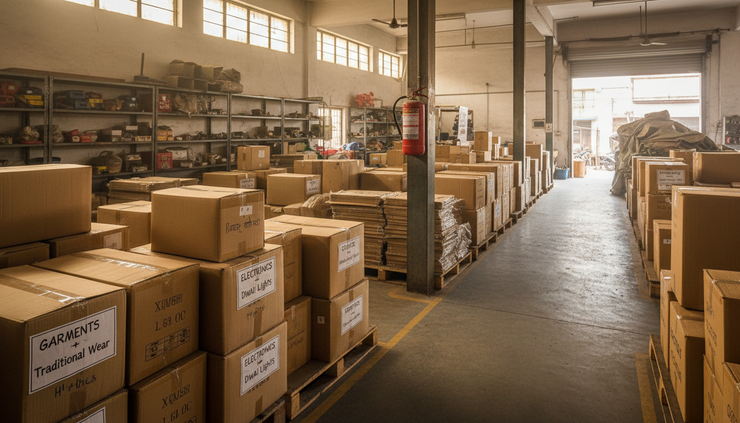
Many businesses use extra storage before Diwali. A shop may keep goods in a basement, godown, rented room or another branch. Insurance may be location-specific. If stock moves between locations in Ahmedabad, Pune or Bengaluru, check whether those locations and transits are covered.
Do not assume that goods stored away from the main shop are insured under the same terms.
Improve fire safety
Before the October rush, check:
Electrical wiring and switchboards
MCBs, earthing and load capacity
Fire extinguishers and expiry dates
Clear access to exits
Safe placement of diyas, candles and decorative lights
Storage away from heat sources
Kitchen hoods and gas connections for restaurants
A small restaurant in Pune that adds festive catering or extra cooking hours should treat kitchen safety as a business continuity issue, not only a compliance task.
Strengthen theft protection
Theft risk rises when shops are crowded and staff are busy. Practical controls include:
CCTV covering counters, entrances and storage areas
Working shutters, locks and alarms
Safe handling procedures for jewellery and cash
Staff awareness during peak footfall
Clear stock issue and return records
Restricted access to godowns and back rooms
Does shop insurance cover theft? It may, if burglary or theft cover is included and policy conditions are met. Some policies distinguish between burglary involving forcible entry, shoplifting, employee dishonesty and mysterious disappearance. Each may be treated differently. Read the wording before the season begins.
Why adequate sums insured matter more during festive season
The sum insured is not just a number on a policy schedule. It is the financial limit that shapes how much protection the policy may offer, subject to terms and conditions. During Diwali, this number can become outdated fast.
If a Surat textile trader usually holds moderate stock but adds several consignments of festive sarees and lehengas, the declared value should reflect the peak exposure. If it does not, the business may face underinsurance. In some policies, an average clause can reduce the claim payout in proportion to underinsurance.
For example, if a shop insures stock for much less than its real value, the insurer may treat the business as having self-insured part of the risk. The exact treatment depends on policy terms.
Retailers should review these values before November 2026:
Stock in trade
Furniture and fixtures
Electrical fittings
Machinery and equipment
Interiors and renovations
Cold storage or refrigeration equipment
Computers, billing systems and CCTV
Cash limits, if money insurance is included
Goods in transit, if relevant
A Bengaluru electronics warehouse may need separate values for stock, racks, handling equipment and multiple storage locations. A Mumbai jeweller may need careful valuation records and declarations for high-value stock. A Delhi clothing store in a rented market unit may need to separate landlord-owned building cover from tenant-owned contents.
Policy exclusions, deductibles and declarations need a careful read
Many disputes begin with assumptions. A shop owner assumes theft is covered. A warehouse assumes all goods at all locations are included. A restaurant assumes business interruption applies after any closure. Insurance policies do not work that way.
Check exclusions
Exclusions vary, but retailers should look closely for clauses relating to:
Unoccupied premises
Unauthorised alterations or electrical work
Wear and tear or gradual deterioration
Damage due to poor storage
Certain high-value goods unless declared
Cash losses outside specified limits
Employee theft or infidelity, unless separately covered
Goods stored in open areas
Losses without evidence of forcible entry
Fireworks, hazardous materials or special trade conditions
This does not mean every such event is excluded in every policy. It means the wording should be read before the risk increases.
Understand deductibles
A deductible is the amount the business bears before the insurer pays an admissible claim. A lower premium with a high deductible may not help if the business cannot comfortably absorb smaller losses.
Before Diwali, compare the deductible against realistic loss scenarios. A ₹25,000 deductible may be manageable for one store, but a ₹2 lakh deductible could strain a small retailer after stock damage.
Keep information accurate
Insurance relies on accurate disclosure. Retailers should update the insurer or adviser when there are material changes, such as:
Increased stock levels
New product categories
Storage at new locations
Renovation or layout changes
New cooking equipment
Higher cash handling
Extended business hours
Installation of temporary electrical fittings
Incorrect or incomplete information can affect claim assessment. Good records help. Keep purchase invoices, stock registers, photographs of inventory, valuation certificates where relevant, maintenance bills and safety inspection records.
City examples show how Diwali insurance needs can vary
Diwali risk does not look the same across India. The business type, building, market density and stock profile all matter.
Mumbai
A jewellery showroom in Zaveri Bazaar or a fashion boutique in a mall may focus on high-value stock, burglary protection, secure showcases, CCTV and correct valuation. Space constraints can also make storage practices important.
Delhi
An electronics shop in a busy market may carry more phones, appliances and accessories before Diwali. Extra lighting, long hours and high footfall make fire safety, theft control and stock sums insured key review areas.
Ahmedabad
Gold, textile and gift retailers may build inventory ahead of Dhanteras and Diwali. Shops should check whether festive stock, cash handling and godown storage are correctly reflected in the policy.
Surat
Textile traders and garment shops may see stock volumes rise sharply. Fire, water damage, storage density and transit between units can be major points to review.
Pune
Restaurants, cafés and bakeries may prepare for festive dining, gifting and catering. Kitchen fire safety, refrigeration, liability cover and equipment protection deserve attention.
Bengaluru
Warehouses, electronics sellers and multi-location retailers may hold inventory across godowns and fulfilment points. Declared locations, stock movement and business interruption terms should be checked early.

A practical October checklist before Diwali 2026
Use October to review insurance before stock and customer activity reach their peak.
Compare current policy sums insured with expected peak stock value.
Confirm all shop, godown and warehouse locations are listed.
Check whether goods in transit need cover.
Review fire, burglary, stock, money and business interruption sections.
Read exclusions for theft, unoccupied premises, electrical work and storage.
Confirm deductibles and claim reporting steps.
Update invoices, valuation records and stock registers.
Photograph high-value inventory and shop interiors.
Service fire extinguishers and check electrical load.
Train staff on closing checks, cash handling and emergency contacts.
Speak to an insurance adviser before the festive rush begins.
For direct questions, the short answers are simple.
Does business insurance cover Diwali fire damage?
It may, if fire cover applies to the damaged property and no exclusion or breach affects the claim.
How can shops protect festive stock?
Keep stock records current, insure peak values, use safe storage, improve fire and theft controls, and declare all locations.
Does shop insurance cover theft?
It may, if theft or burglary cover is included. The outcome depends on the wording, evidence, type of theft and policy conditions.
What insurance should a retailer consider before Diwali?
Retailers commonly review fire and allied perils, burglary, stock, contents, money, public liability and business interruption cover.
Before festive sales start, get a clear review of your policy instead of guessing what is covered. Protect your business before the festive season with guidance from TrustCare Insurance.
Diwali 2026 can bring strong sales, but it also puts more value at risk. The best time to review insurance is before the stock arrives, before the lights go up and before one busy week decides the season’s result.


Comments