Ganesh Chaturthi Insurance for Public Events in India What Organisers Should Know

A Ganpati celebration may last a few days, but one accident can affect organisers, residents, visitors and vendors long after visarjan. From a small housing society aarti in Thane to a large pandal in Mumbai, public events bring people, electrical loads, temporary structures, sound equipment, food stalls and moving crowds into one space.
That is why many organisers now review Ganesh Chaturthi insurance and related event cover before the festival begins. Indian insurers have also reported rising interest in insurance for Ganpati pandals in 2026, which reflects a practical shift. Committees are not only planning decoration and permissions, they are also thinking about safety and liability.
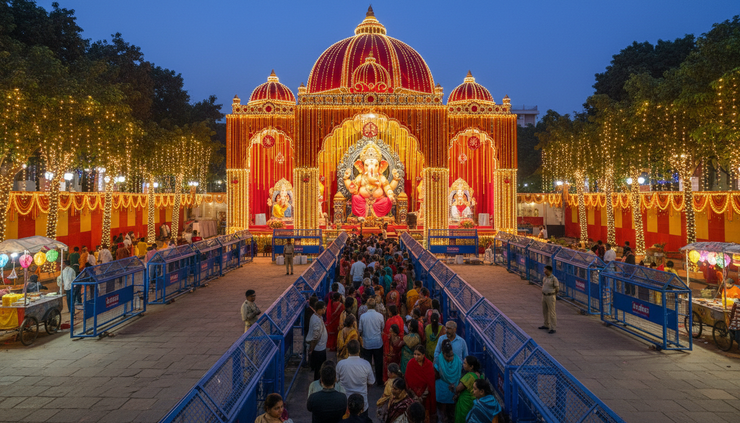
Why public event insurance matters during Ganesh Chaturthi
Ganesh Chaturthi events are community celebrations, but they also create real exposure for organisers. A visitor may slip on a wet floor, a temporary light fitting may fail, a speaker stand may damage a parked vehicle, or a short circuit may affect the mandap.
Insurance cannot replace safety planning, permissions or supervision. It can, in suitable cases, help manage the financial impact of covered incidents.
For housing societies and local committees, event insurance India may be relevant where the event includes:
Temporary pandals or stages
Public entry or large visitor movement
Decorative lighting and electrical wiring
Sound systems, generators or hired equipment
Food distribution or stalls
Processions, cultural programmes or competitions
Volunteers, contractors and outside vendors
The point is not to buy any policy at the last minute. The point is to identify the risks, share correct details with the insurer, and understand what is covered, excluded and limited.
Risks organisers should review before the event
A useful event risk review starts with the actual site. A society compound in Pune has different risks from a roadside pandal in Mumbai or a school-ground celebration in Nagpur.
Key areas to check include the following.
Crowd movement
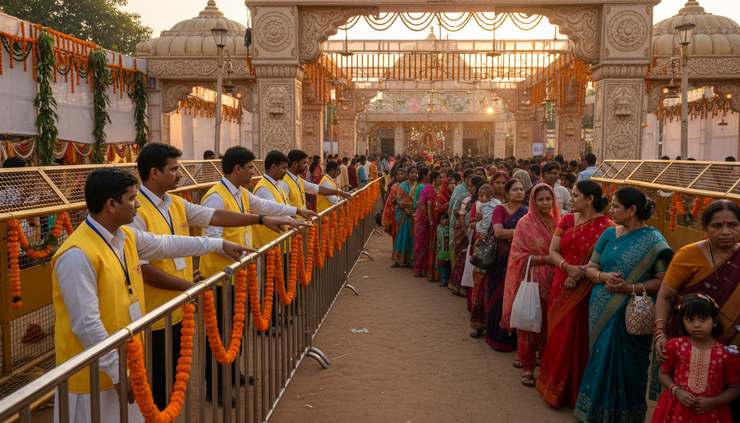
Look at entry and exit points, queue systems, staircases, lift lobby crowding, and access for older visitors and children. Crowd pressure often builds during evening aarti, weekends and visarjan day.
Fire and electrical safety
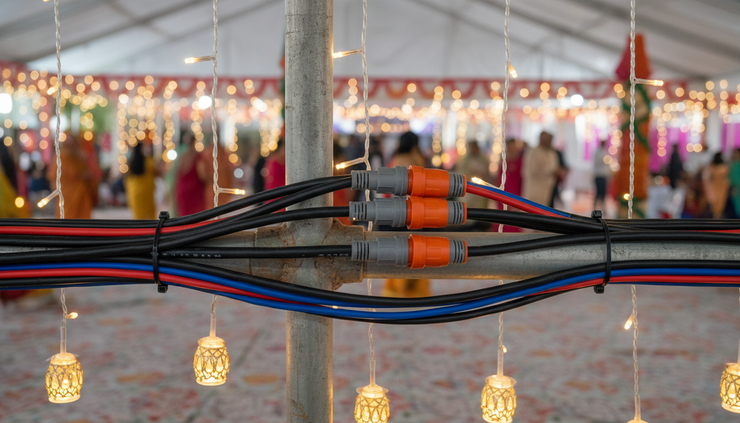
Temporary wiring, decorative lighting, generators, extension boards and overloaded plug points can create fire or shock hazards. Use qualified electricians, avoid loose cables and keep basic fire safety equipment accessible.
Property damage
Public events may involve hired chairs, stage material, idols, sound equipment, lighting rigs, CCTV units and society property. Damage can happen during installation, use or dismantling.
Accidental injury
Slips, falls, burns, crowd pushing, falling décor, exposed cables and vehicle movement can lead to injuries. Even a small injury can raise questions about organiser responsibility.
Third-party liability
Public liability insurance India is often discussed for events because it may respond to certain claims made by third parties for bodily injury or property damage, subject to policy terms. This is not the same as assuming every accident is covered.
What insurance options may be relevant
There is no single policy that automatically fits every Ganpati event. A small society function, a public mandal, a cultural show and a city-level procession may all need different insurance discussions.
Commonly considered options include:
Public liability cover
This may help with covered third-party injury or property damage claims arising from the event. Organisers should check the insured limit, exclusions, deductibles and whether the venue and event dates are correctly mentioned.
Event insurance
Event insurance India can refer to cover designed around specific event-related risks. Depending on the insurer and product, this may include selected protection for property, equipment, cancellation-related exposure or liability. The exact scope must be confirmed in writing.
Property and equipment cover
If the event uses hired or owned equipment, organisers can ask whether accidental damage, fire or theft-related risks can be covered. Vendors may also have their own insurance, which should be checked.
Fire and special perils cover
Where temporary structures, electrical décor or stored materials are involved, fire-related cover may be discussed. The insurer may ask for details of the structure, materials, wiring and safety arrangements.
Society event insurance
A housing society can explore suitable cover for a community event held inside its premises. The managing committee should review the society’s existing insurance first, because regular building cover may not automatically extend to festival-related risks.
For local searches such as Ganpati insurance Mumbai, Ganesh festival insurance Maharashtra, event insurance Pune and society insurance Mumbai, the most useful conversation is location-specific. Venue layout, local permissions, police guidelines, fire safety needs and crowd size all matter.
What to share with an insurance adviser
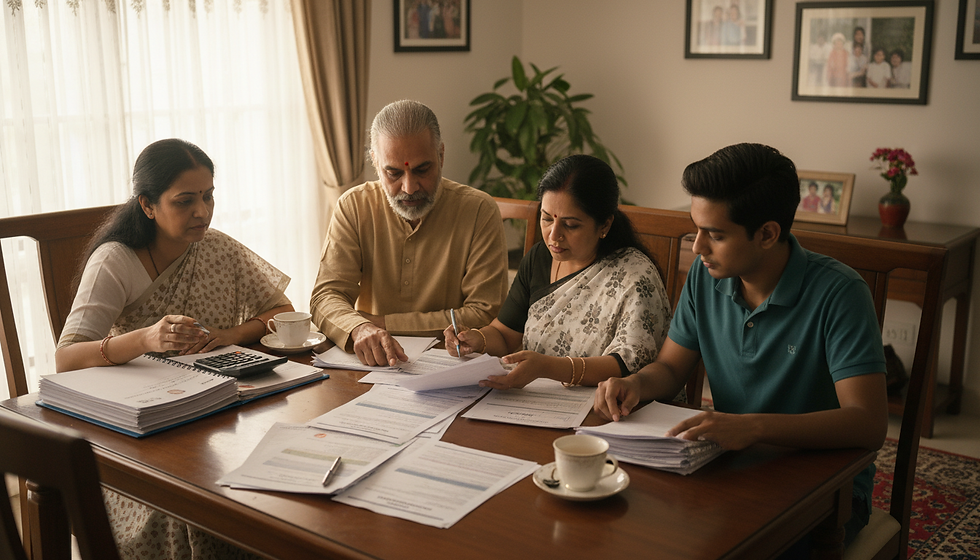
Better information usually leads to a better policy discussion. Before asking for event risk insurance or community event insurance, prepare a simple event note.
Include:
Event name, dates and timings
Venue address and whether it is indoors, outdoors or roadside
Expected footfall during normal hours and peak hours
Type of structure, stage, pandal or mandap
Electrical setup, generator use and lighting details
Fire safety arrangements
Vendor list, including decorators, sound teams and caterers
Security, volunteer and crowd control plan
Procession route, if any
Past incidents, if relevant
This helps the adviser understand whether festival insurance, event liability insurance or Ganpati pandal insurance options may fit the risk.
Do organisers legally need insurance
Insurance requirements can vary by event type, venue, municipal rules, permissions and contractual conditions. Some venues, vendors or authorities may ask for liability cover. In other cases, insurance may not be compulsory but still sensible.
A practical approach is to check:
Local authority and police permission requirements
Fire safety and electrical compliance needs
Venue agreement conditions
Vendor contracts
Society committee approvals
Any sponsor or organiser obligations
Do not assume the society’s existing policy, a vendor’s policy or a general business policy covers a public event. Ask for written confirmation and read the schedule, exclusions and limits.
This article is for general information only. Insurance terms differ by insurer, policy wording and event facts.
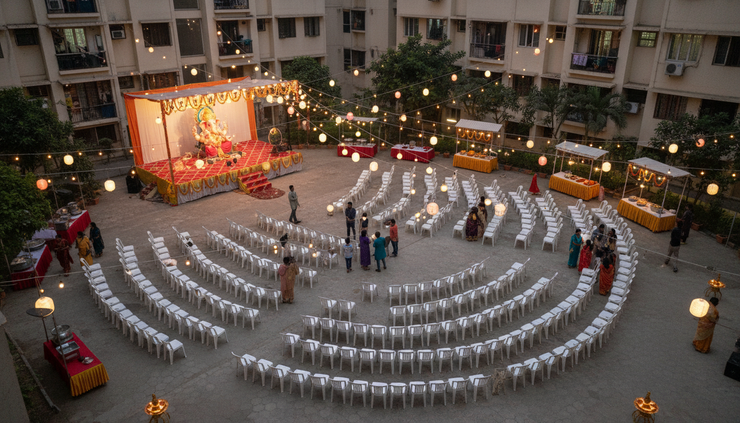
A safer festival starts before the first aarti
Good event planning is not limited to decoration, music and prasad. It includes checking the venue, managing crowds, securing electrical systems, protecting property and understanding possible liability.
Planning a community event or managing a housing society? TrustCare Insurance can help you understand suitable insurance and liability solutions for public gatherings, housing society events and festive celebrations across India.
The best time to review insurance is before the pandal opens, before equipment arrives, and before visitors start gathering. That early review can make the festival safer, calmer and better prepared.
Comments