Housing Society Insurance in India 9 Risks RWAs Must Review Before 2027

A housing society can look well maintained and still carry serious financial risk. One lift breakdown, basement fire, electrical short circuit, falling plaster incident, or visitor injury can turn into a large expense for the RWA or cooperative society.
That is why housing society insurance should not be treated as a once-bought document kept in a file. Common assets change. Repair costs rise. Electric vehicle charging points, larger DG sets, CCTV systems, solar panels, and ageing buildings all change the exposure.
This guide is for Indian RWAs, apartment associations and cooperative housing societies reviewing their society insurance policy before 2027. It is informational only and should not replace advice from a licensed insurance professional.
What insurance does a housing society need?
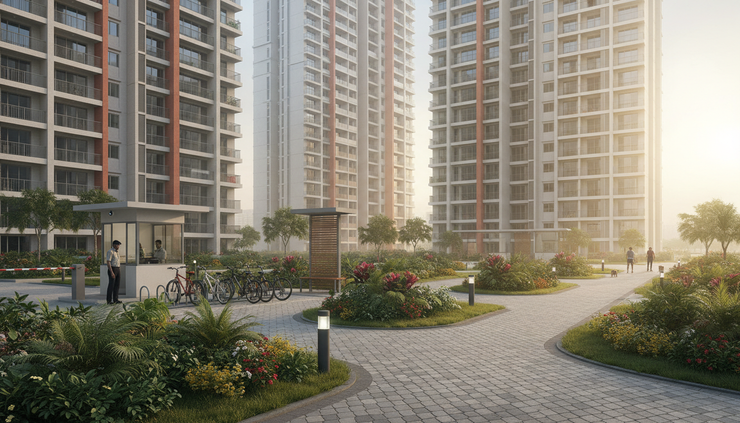
A typical housing society insurance India plan may include protection for the building structure, common areas, plant and machinery, liability exposures, and selected staff-related risks. The exact cover depends on the insurer, policy wording, add-ons, exclusions, building age, location and declared values.
For many societies, the core covers to review include:
Fire and allied perils cover for the building and common property
Earthquake, storm, flood and natural calamity cover, where available and relevant
Machinery breakdown cover for lifts, pumps, DG sets and similar equipment
Public liability cover for injury or damage claims by residents, visitors or third parties
Burglary or theft cover for insured common assets
Employee compensation cover where the society has eligible staff or workers
Plate glass, signage, electronic equipment or money cover, if relevant
Is society insurance mandatory in India? There is no single all-India rule that applies in the same way to every RWA, apartment association and cooperative housing society. Requirements may vary by state law, society by-laws, lender conditions, redevelopment terms, local regulations or contractual obligations. Even where it is not clearly mandatory, it is often a prudent risk management decision.
The 9 risks RWAs should review before 2027
1. Common building structure risk
The society usually has responsibility for common structural assets such as staircases, terraces, boundary walls, clubhouses, passages, compound areas and shared service rooms. Cracks, seepage, falling plaster and ageing structures can create both repair costs and liability concerns.
Before renewal, check whether the sum insured reflects current rebuilding cost, not the old book value or original construction estimate.
2. Lift and escalator risk
Lifts are among the most used assets in an apartment complex. A lift accident, door malfunction, motor issue or control panel failure can affect safety and daily life.
A basic society property insurance policy may not automatically cover all lift-related breakdowns or liability events. RWAs should check whether lift machinery, electrical panels, rescue systems and third-party injury claims are properly addressed.

3. Electrical system and fire risk
Electrical fires can start from overloaded panels, poor wiring, old meter rooms, faulty switchgear or poorly managed temporary connections. Common electrical infrastructure may include transformer rooms, main panels, shaft wiring, pumps, lighting, CCTV systems and charging points.
The RWA should ask whether the policy covers fire, explosion and allied damage to insured common property. Fire safety maintenance records, audits and compliance documents can also matter during claims.
4. Parking area and basement risk
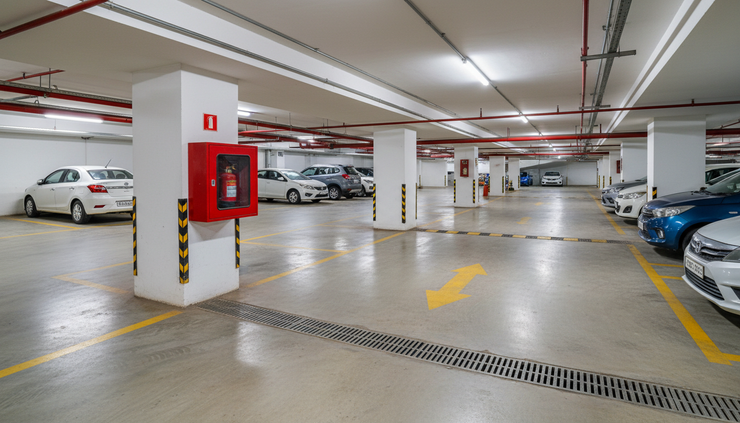
Parking areas carry multiple exposures. These include vehicle impact damage to pillars, fire spread, flooding, oil leakage, theft of common equipment and injury due to poor lighting or uneven flooring.
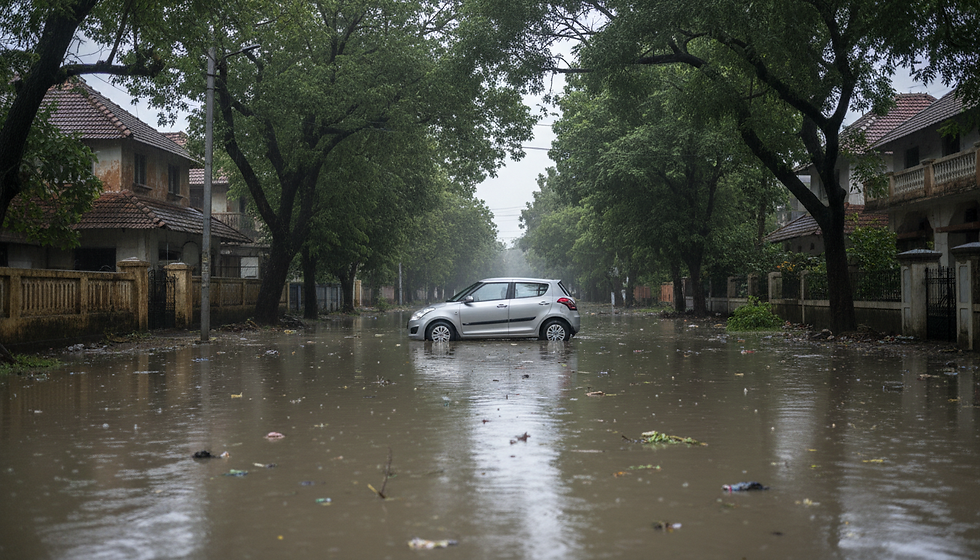
Basements need special review in cities with heavy monsoon flooding. Societies searching for housing society insurance Mumbai, RWA insurance Pune, society insurance Thane, apartment insurance Bengaluru, or housing society insurance Delhi NCR often face different flooding, traffic, density and infrastructure risks depending on the location.
5. Natural disaster risk
Flood, storm, cyclone, earthquake, lightning and landslide risks differ across India. A coastal society, a hill property and a high-rise in a seismic zone do not share the same risk profile.
Building insurance India policies should be checked for included and excluded perils. Do not assume every natural event is covered. The wording, add-ons and deductibles matter.
6. Common infrastructure risk
Modern housing societies rely on many shared systems:
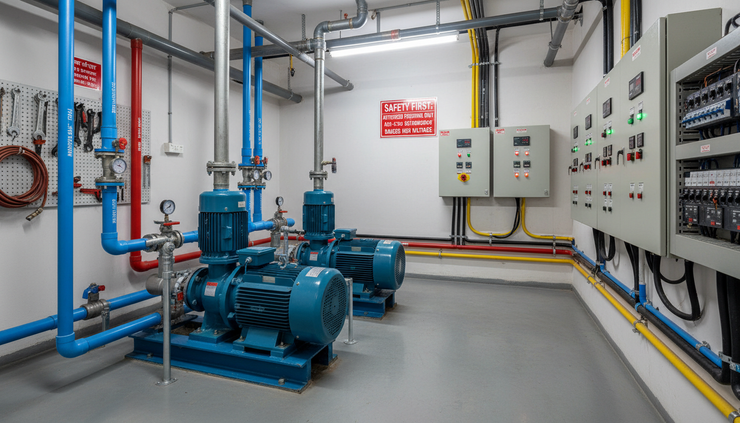
Water pumps and borewell equipment
Sewage treatment plants
DG sets
Solar panels
CCTV and access control
Intercom systems
Fire pumps and sprinklers
Rainwater harvesting systems
Clubhouse equipment
If these are not listed, valued or covered correctly, repairs may fall on the society’s maintenance fund.
7. Staff and worker-related risk
Many societies employ or contract security guards, housekeeping staff, gardeners, lift operators, electricians and maintenance workers. Injuries during work can lead to legal and financial exposure.
The committee should review whether employee compensation, personal accident, group cover or contractor insurance applies. If workers are supplied by vendors, ask for proof of the vendor’s insurance instead of assuming it exists.
8. Public liability risk
Public liability matters when a resident, guest, delivery worker, vendor or passer-by suffers injury or property damage linked to society premises. Examples include a slip near a wet lobby, a falling branch, a loose tile, gate barrier damage, or malfunctioning common equipment.
Housing society liability insurance can help manage such claims, subject to policy terms and limits. The key question is whether the limit is realistic for the society’s size and footfall.
9. Individual flat and contents risk
Does society insurance cover individual flats? Usually, society insurance focuses on the building and common assets, depending on how the policy is structured. It may not cover a resident’s furniture, electronics, jewellery, appliances, interior work, personal liability, or improvements inside the flat.
Flat owners may need separate home insurance for contents, internal fixtures and their own property interests. This is especially relevant where residents have expensive interiors, work-from-home equipment, rented flats, or home loans.
Why the policy should be reviewed periodically
A policy bought years ago may no longer match the society’s risk. Construction costs, equipment values and liability expectations can change quickly. Additions such as EV chargers, solar panels, a renovated clubhouse, new CCTV network or upgraded fire systems should be reflected in the cover.
A good review checks three things:
What has changed in the society
What the policy actually covers
Whether the limits are enough
New assets, repairs, renovations, equipment and occupancy patterns
Perils, exclusions, deductibles, warranties and claim conditions
Rebuilding cost, machinery value and liability exposure
How often should a housing society review its insurance? At least once a year before renewal, and also after major repairs, asset purchases, legal changes, redevelopment discussions or serious incidents.
Questions every RWA committee should ask before buying or renewing
Before signing the renewal cheque, the managing committee should ask:
Have we insured the building for current reinstatement value?
Are lifts, pumps, DG sets, fire systems and electronic equipment covered separately where needed?
Does the policy include public liability?
Are flood, earthquake and other natural perils included or excluded?
Are basements, parking areas, boundary walls and clubhouses covered?
Are staff, contract workers and vendors insured appropriately?
Have we declared new assets added during the year?
What deductibles, exclusions and claim conditions apply?
Does the insurer need maintenance records, fire audit reports or statutory compliance documents?
Do residents understand that their personal belongings may need separate insurance?
A safer society starts with a clearer insurance review
Housing society insurance is not only about buying a policy at the lowest premium. It is about matching cover to real risks, from fire and lift breakdowns to public liability, staff incidents and natural disasters.
Managing a housing society or RWA? Protecting common assets and residents starts with understanding your risks. TrustCare Insurance provides housing society insurance consultation and personalised guidance across India.
Before 2027, every RWA should review its assets, update valuations, read exclusions carefully and make sure residents know where society cover ends and personal home protection begins.

Comments