India Insurance 2026 10 Changes Policyholders Should Watch

Insurance in India is no longer something people buy once and file away. In 2026, policies are becoming more digital, health cover is getting more attention, claims are expected to move faster, and regulators are asking insurers to be clearer with customers.
For ordinary policyholders, the key question is simple: what has actually changed, what is still proposed, and what is just an industry trend? This guide separates the three so you can make better decisions without getting lost in jargon.
What is already implemented and affects policyholders now
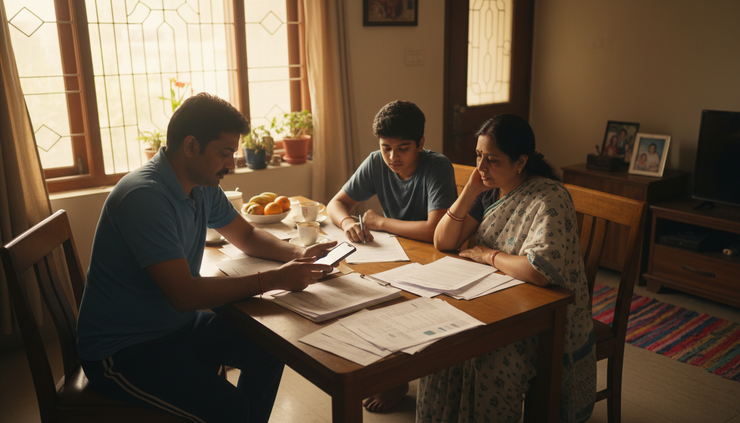
The insurance industry India 2026 story begins with regulation. IRDAI has been pushing insurers to make products clearer, claims smoother, and customer rights easier to understand.
1. Policyholder protection rules are getting stronger
IRDAI has brought more focus to transparency through rules and master circulars on policy servicing, benefit illustrations, customer information, grievance handling, and claim processes.
For policyholders, this means insurers are expected to explain:
What is covered and excluded
Waiting periods and deductibles
Renewal conditions
Free-look cancellation rights
Claim documents and timelines
Grievance escalation options
This matters most in health, life, motor, and long-term savings products, where small details can change the claim outcome.
2. Health insurance is under sharper regulatory attention
Health insurance is one of the fastest-growing areas of the Indian insurance market. Medical costs, private hospital use, and awareness after the pandemic have made family floater and senior citizen policies more important.
Regulatory changes have also focused on fairer treatment in health insurance. Policyholders should pay close attention to:
Waiting periods for pre-existing diseases
Room rent limits
Co-payment clauses
Disease-wise sub-limits
Cashless hospital network access
Portability rights when changing insurers
The practical change is that health insurance is no longer just about the premium. The claim conditions matter as much as the sum insured.
3. Digital insurance is now part of everyday buying
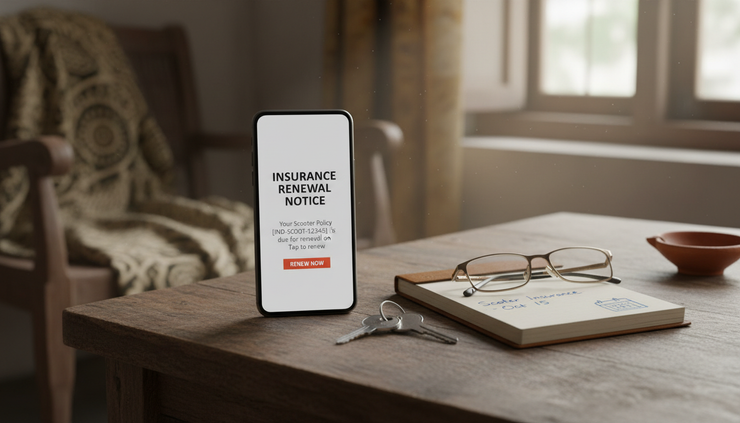
Buying, renewing, and servicing insurance online has become normal. Many insurers now allow digital KYC, online premium payment, policy downloads, WhatsApp updates, app-based claim tracking, and video or photo uploads for some claims.
For customers, digital insurance India brings convenience, but also new responsibilities. Keep policy documents, payment receipts, nominee details, and claim communication backed up safely. If a policy is bought online, read the full wording rather than relying only on comparison charts.
What is proposed or still developing in 2026
Some of the most talked-about insurance reforms India may reshape the sector, but policyholders should not treat every proposal as an active benefit.
4. A shared insurance data infrastructure could change verification
India has been discussing wider digital infrastructure for insurance, including systems that could help with policy records, fraud checks, claim history, and customer verification.
If such infrastructure becomes fully active, it may reduce repeated paperwork and improve claim checks. It may also raise questions about consent, data accuracy, and privacy.
Policyholders should watch for one thing above all: clear permission rules for how personal and health data is used.
5. Bima Sugam and similar platforms may simplify access
A national digital insurance marketplace has been discussed as a way to help customers compare, buy, service, and claim policies through a common platform. The promise is simpler access and less confusion.
Still, customers should treat it as an evolving development. Until such systems are fully operational and widely used, policyholders should continue to compare policy wordings, insurer claim support, hospital networks, and renewal terms directly.
6. Wider reform may change who can sell what
Policy conversations have included ideas such as composite licences, new capital rules, and easier entry for insurers. These could bring more competition and more product choice.
For customers, more choice is useful only if products remain understandable. Watch whether reforms lead to simpler policies or just more variations of the same cover.
The biggest industry trends shaping 2026
Not every change comes from regulation. Some shifts are driven by customer behaviour, technology, inflation, and business risk.
7. Customer expectations are rising fast
People now expect insurance to work like other digital services. They want quick purchase journeys, simple language, faster claim updates, and fewer repeated documents.
This is pushing insurers to improve self-service tools, call centre support, claim tracking, and renewal reminders. It also means poor service is more visible, because customers compare insurers more easily.
The best sign of a customer-friendly insurer is not just a low premium. Look for clear documents, responsive support, and a simple claim process.
8. Motor insurance is changing with new driving habits
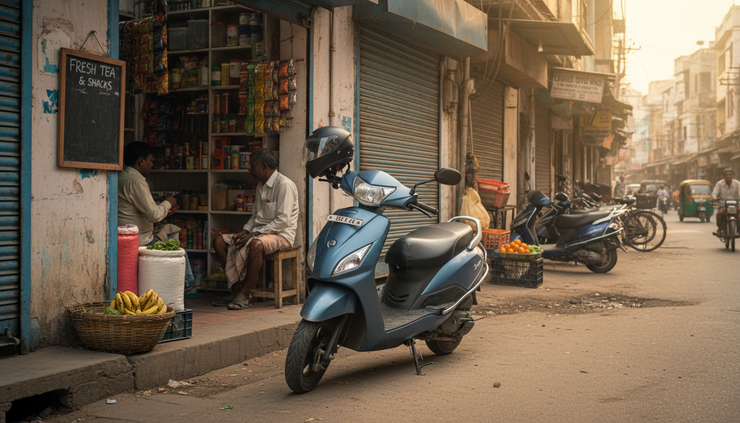
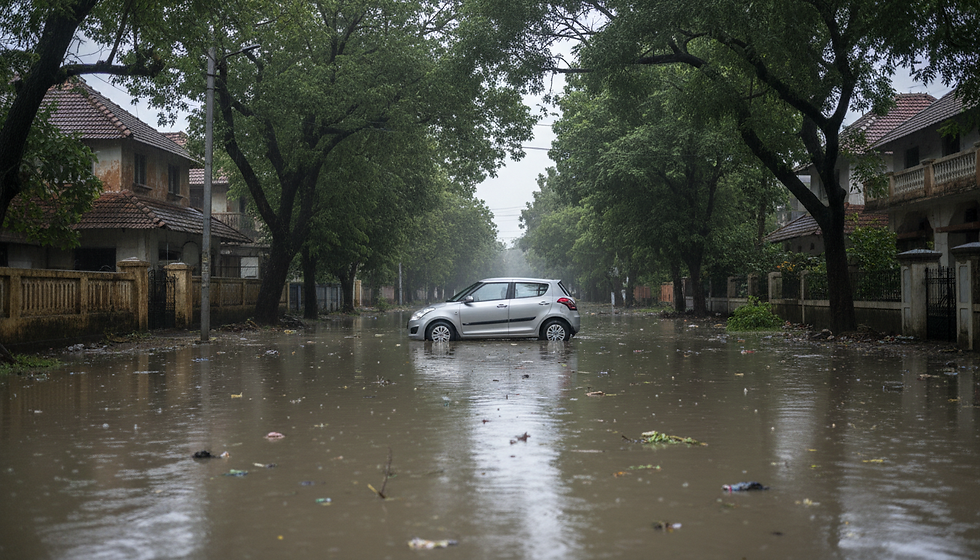
Motor insurance remains a core product in India because third-party cover is mandatory for vehicles. In 2026, the motor segment is also being shaped by electric vehicles, connected vehicles, add-on covers, and usage-based products.
Policyholders should review more than the basic premium. Check:
Own damage cover
Third-party liability cover
Zero depreciation add-on
Engine protection
Roadside assistance
EV battery-related cover, where relevant
No claim bonus protection
For two-wheelers and cars, the cheapest policy may leave gaps that become costly after an accident.
9. SME insurance is moving beyond fire cover
Small and medium businesses are buying more cover for risks that earlier went uninsured. These include health cover for employees, shop insurance, liability cover, marine transit cover, burglary cover, cyber-related cover, and machinery protection.
This trend matters for families too. Many households depend on small businesses, traders, clinics, workshops, restaurants, and service providers. A single uninsured loss can affect income, loans, and staff salaries.
SME owners should not copy a standard policy blindly. A pharmacy, cloud kitchen, garment unit, and logistics operator all carry different risks.
10. Insurance is expanding beyond major cities
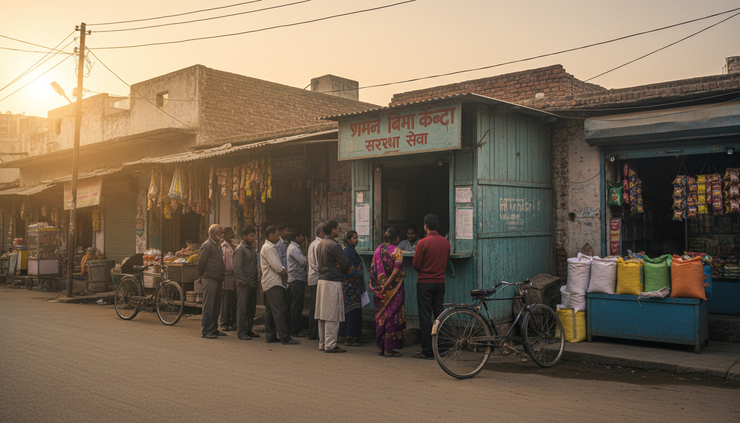
The future of insurance India is not limited to metros. Growth is coming from tier-2, tier-3, and rural markets through digital platforms, local agents, bank channels, and government-backed awareness efforts.
This expansion is positive, but it creates a need for clearer communication in local languages and simpler servicing. First-time policyholders should be extra careful about verbal promises. The written policy document is what decides the claim.
A simple 2026 checklist for policyholders
The latest insurance trends India 2026 point in one direction: more choice, more digital service, and more responsibility for customers to understand what they buy.
Before renewing or buying cover, take these practical steps:
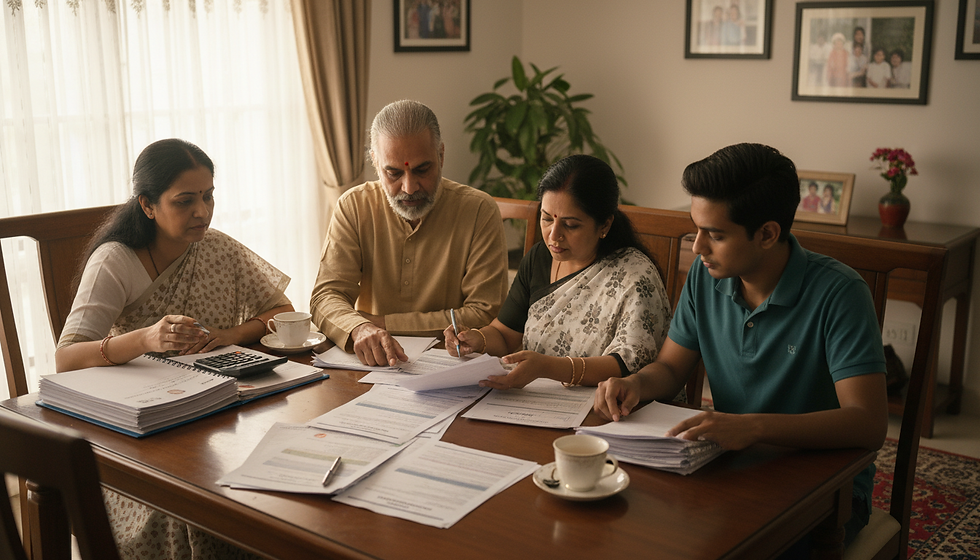
Review your health cover
Check whether the sum insured is enough for treatment costs in your city. Look closely at waiting periods, room rent limits, exclusions, and co-payments.
Update nominee and contact details
Wrong mobile numbers, old addresses, or missing nominees can delay servicing and claims.
Compare policy wording, not just premium
A low premium can hide sub-limits, deductibles, or weaker claim support.
Keep digital and physical records
Store policy PDFs, premium receipts, medical disclosures, vehicle documents, and claim communication safely.
Check motor add-ons before renewal
Vehicle age, driving pattern, location, and EV use can change the type of cover you need.
Ask about grievance escalation
Know how to contact the insurer, the grievance officer, and the next escalation channel if a claim is delayed or rejected.
Disclose facts honestly
Health conditions, vehicle use, business activity, and previous claims should be declared correctly. Non-disclosure can create claim problems later.
Insurance is changing. Make sure your protection keeps pace. TrustCare Insurance helps individuals, families and businesses understand their insurance options across India.

This article is for general information only and should not be treated as financial, legal, or insurance advice. Read the policy wording and speak with a qualified insurance adviser before making a decision.

Comments