Insurance Growth in Tier 2 and Tier 3 Cities Across India

Insurance is no longer seen as something mainly bought in Mumbai, Delhi, Bengaluru or other large metros. Across Nagpur, Nashik, Surat, Jaipur, Lucknow, Indore, Chandigarh, Coimbatore, Kochi, Bhubaneswar and many other fast-growing cities, families and small businesses are thinking more seriously about protection.
This shift is practical. More people own vehicles. Private healthcare is expanding. Homes are being bought with long-term loans. Small businesses are serving customers beyond their local markets. Digital platforms have made policies easier to compare and buy. Together, these changes are increasing insurance awareness in India beyond the metro-city circle.
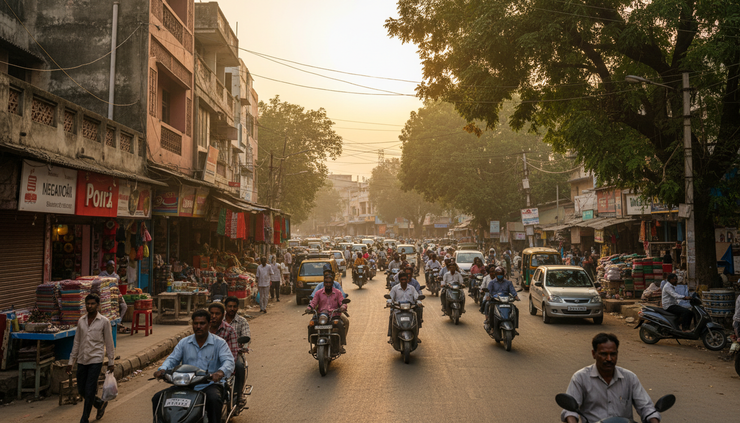
Why insurance is growing beyond metro cities
The demand for insurance in smaller Indian cities is rising because daily life is changing. Many households now have two-wheelers, cars, home loans, ageing parents, school-going children and business income to protect. That naturally creates a need for planning.
In cities such as Indore, Jaipur and Lucknow, better roads and growing job markets have increased vehicle use. In Surat, Coimbatore and Nashik, entrepreneurship and trading activity have created income streams that need protection from disruption. In Kochi, Chandigarh and Bhubaneswar, healthcare access and lifestyle expectations have changed how families plan for medical costs.
This is why conversations around insurance Tier 2 cities India and insurance Tier 3 cities India are becoming more common. The need is not limited to one income group or one profession. A salaried family, a self-employed professional, a shop owner and a homeowner may all need different forms of cover.
The increase in insurance penetration India is also linked to digital access. People are more comfortable reading policy details online, comparing premiums and speaking with advisors over phone or video. The buying journey has become less dependent on living near a large branch office.
Vehicle ownership is making motor cover more visible
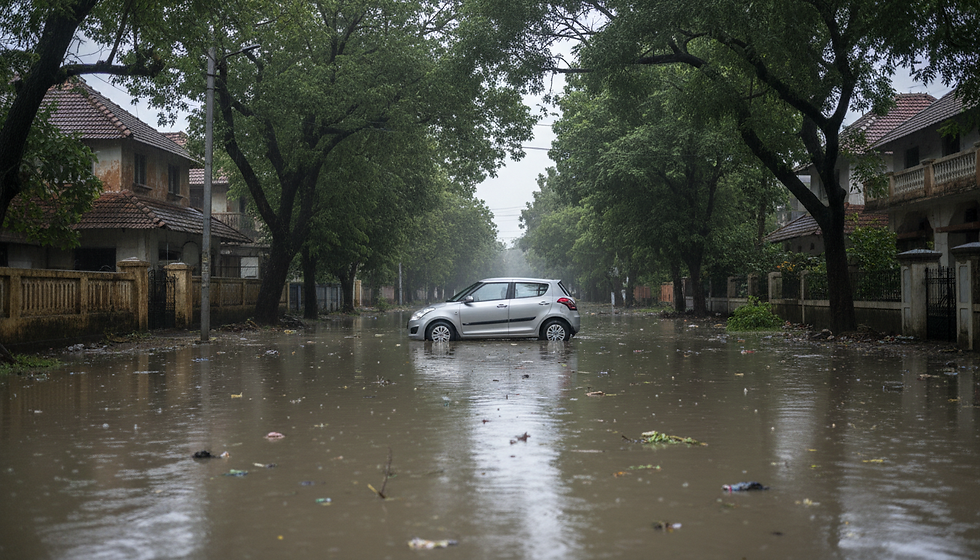
Motor insurance has often been the first form of insurance many Indian families encounter. As two-wheeler and car ownership grows in smaller cities, motor insurance India becomes more relevant to everyday life.
A family in Nagpur may rely on a scooter for commuting and school drop-offs. A business owner in Surat may use a small commercial vehicle for deliveries. A household in Chandigarh may own both a car and a two-wheeler. Each case has different risks, usage patterns and budget considerations.
Good motor insurance planning goes beyond meeting a legal requirement. The right policy depends on factors such as:
Vehicle type and age
Daily usage and parking conditions
City traffic and road exposure
Need for add-ons such as zero depreciation or roadside assistance
Whether the vehicle is personal or commercial
This does not mean people in smaller cities automatically need a different policy from people in metros. It means the policy should match the vehicle, usage and risk profile.
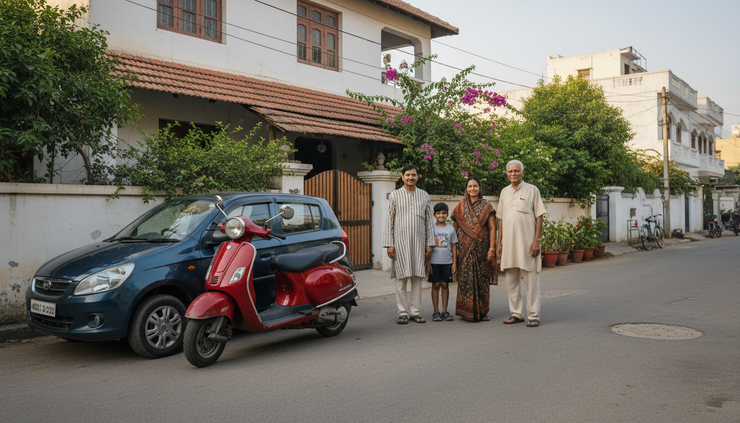
Healthcare access is changing the role of health insurance
Healthcare in smaller cities has improved in many places. More private hospitals, diagnostic centres and specialists are now available outside metros. At the same time, medical costs can still put pressure on savings.
That is why health insurance smaller cities is an important topic. A family in Jaipur may want access to a wider hospital network. Parents in Lucknow may think about cover for senior citizens. A young couple in Coimbatore may want maternity-related planning for the future. A self-employed person in Bhubaneswar may need cover because medical leave can directly affect income.
Health insurance needs can vary by:
Factor | Why it matters |
Family size | Cover should reflect dependants and healthcare needs |
Nearby hospitals | Network hospitals can affect cashless treatment access |
Existing illnesses | Disclosures and waiting periods need careful review |
Income pattern | Self-employed families may need stronger emergency planning |
Age of members | Older members may need different limits and features |
The key is not to assume that a metro resident needs more cover and a smaller-city resident needs less. Medical costs vary by treatment, hospital and condition. Families should choose cover based on actual needs, not only the city they live in.
Entrepreneurship and home ownership are creating new protection needs
Tier 2 and Tier 3 cities are full of small enterprises. Textile traders in Surat, food businesses in Indore, service providers in Kochi, manufacturers around Nashik and local retailers in Bhubaneswar all face risks that can affect income.
For entrepreneurs, insurance may support continuity. Depending on the business, this could include cover for property, equipment, stock, liability or vehicles. A small café, a clinic, a coaching centre and a workshop will not need the same policy. The right choice depends on the type of work, assets, employees, customer interaction and turnover.
Home ownership is another major driver. As more families buy flats, independent houses or plots in growing cities, protection becomes part of long-term financial planning. Home insurance may help protect the structure and contents against certain risks, depending on the policy terms. Families with home loans may also review life insurance so that dependants are not left with debt pressure if the main earner dies.
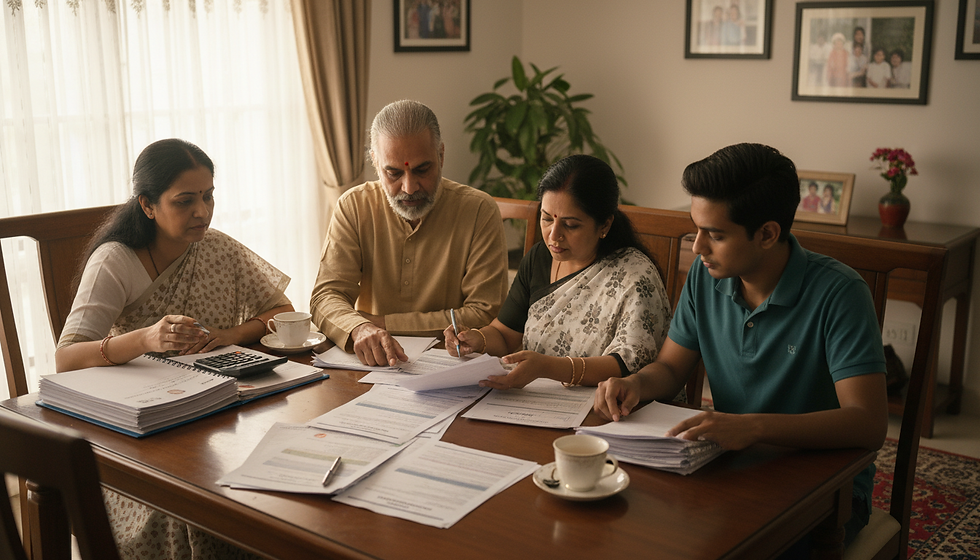
This is where an insurance advisor India can help. Policy documents can be technical, and exclusions matter. A good advisor can explain what is covered, what is not covered and whether the sum insured is suitable.

Digital insurance is making access easier
One reason digital insurance India has grown is convenience. People in smaller cities no longer need to depend only on local branch visits. They can compare plans online, upload documents, pay premiums digitally and receive policy copies by email or app.
This helps people in insurance in small cities markets ask better questions before buying. For example:
Is the hospital network suitable for my city and nearby cities?
What are the waiting periods and exclusions?
Is the claim process digital, offline or both?
What documents will my family need during a claim?
Does the policy fit my budget beyond the first year?
Digital access also supports renewal discipline. Missed renewals can lead to loss of continuity benefits, especially in health insurance. Reminders, online payments and advisor follow-ups can reduce that risk.
Still, digital buying should not mean careless buying. The lowest premium is not always the best choice. Policy wording, claim support, insurer reputation, sum insured and exclusions all matter.
Do smaller cities need different insurance?
People in smaller cities may have different insurance needs, but not because of the city alone. The difference usually comes from lifestyle, income, assets, healthcare access, travel patterns and family structure.
A person in Kochi who travels often may need different protection from someone in Nagpur who works close to home. A business owner in Surat may need business-related cover that a salaried person in Chandigarh does not. A family in Lucknow with elderly parents may focus more on health cover than a young single professional in Indore.
So the better question is not, “Which policy is meant for my city?” It is, “Which risks should my family or business be prepared for?”
For many families in Tier 2 and Tier 3 cities, the starting point may include:
Health insurance for medical expenses
Motor insurance for vehicles
Life insurance if dependants rely on income
Home insurance for owned property
Business insurance for shops, stock, equipment or liability
This article is for general information only and should not be treated as financial advice. Policy suitability varies by person, insurer, terms and disclosures.

Protection should be accessible across India
The growth of insurance in Tier 2 and Tier 3 cities reflects a simple reality. Financial protection is becoming part of everyday planning, not just crisis planning. As families buy vehicles, access private healthcare, build homes and start businesses, insurance becomes a practical safety net.
Wherever you live in India, the right protection should be accessible to you. TrustCare Insurance provides personalised insurance guidance across India, helping people compare needs, understand policies and make informed decisions.
Comments