Insurance Premium vs Coverage Why Cheapest Policy May Fail

A low insurance premium feels satisfying at the time of purchase. The problem appears later, often during a hospital admission, vehicle repair, travel emergency or claim settlement. That is when many people realise that the cheapest policy may have saved a few thousand rupees but left a much larger gap in protection.
Insurance should never be judged by premium alone. The better question is whether the policy protects the right risk, at the right amount, with clear claim conditions. This is the real meaning of insurance premium vs coverage India, especially for families, vehicle owners, travellers and small business owners comparing multiple plans.

Premium is only the price, not the protection
The premium is what you pay to keep the policy active. Coverage is what the insurer agrees to pay for, under stated terms. A cheaper premium may come with lower limits, stricter exclusions, higher deductibles or fewer service benefits.
Two policies can look similar on a comparison page but behave very differently during a claim.
What to check | Why it matters |
Sum insured or coverage limit | A low limit can run out quickly during a major claim |
Exclusions | Some common situations may not be payable |
Deductible or co-pay | You may need to pay part of the claim yourself |
Waiting periods | Certain claims may be allowed only after a set period |
Add-ons | Useful benefits may cost extra but improve protection |
Claim process | A low premium is of little use if claims are difficult |
Service support | Guidance matters when documents, approvals and deadlines are involved |
For example, two health policies may both cost around the same annual premium. One may have room rent limits, disease-wise caps and a smaller hospital network. Another may offer broader cashless access, fewer sub-limits and better restoration benefits. The second policy may offer far better value even if it costs slightly more.
Why cheapest insurance can cost more later
The cheapest insurance policy India buyers find online is not always unsuitable. Sometimes it works well for a narrow need. The risk comes when the buyer assumes that low price means complete protection.
A cheaper policy may reduce cost in several ways:
Lower claim limits The policy pays only up to a smaller amount.
Higher deductibles You pay more from your pocket before insurance starts paying.
More exclusions Certain losses, treatments, causes or conditions may not be covered.
Limited network access This matters in health insurance, where cashless treatment depends on network hospitals.
Stricter claim conditions Delays in intimation, missing documents or specific approval steps can affect claims.
Shorter or narrower policy duration Some policies may look cheaper because the cover period or benefit scope is limited.
Price comparison is useful, but only after comparing benefits line by line. A good insurance comparison India approach looks at both premium and policy wordings.

How coverage differs across common insurance types
Health insurance needs more than a high sum insured
In health insurance, check room rent limits, disease sub-limits, co-pay clauses, waiting periods, pre-existing disease rules, day-care procedures, restoration benefits and the cashless hospital network.
A ₹10 lakh health policy with strict sub-limits may offer weaker protection than a ₹7 lakh policy with fewer internal caps. Network hospitals also matter. If preferred hospitals in your city are not part of the insurer’s cashless network, you may need to pay first and claim reimbursement later.
Motor insurance depends on add-ons and claim terms
For car or bike insurance, third-party cover is mandatory, but own damage cover and add-ons shape real protection. A cheaper motor policy may not include zero depreciation, engine protection, roadside assistance or consumables cover.
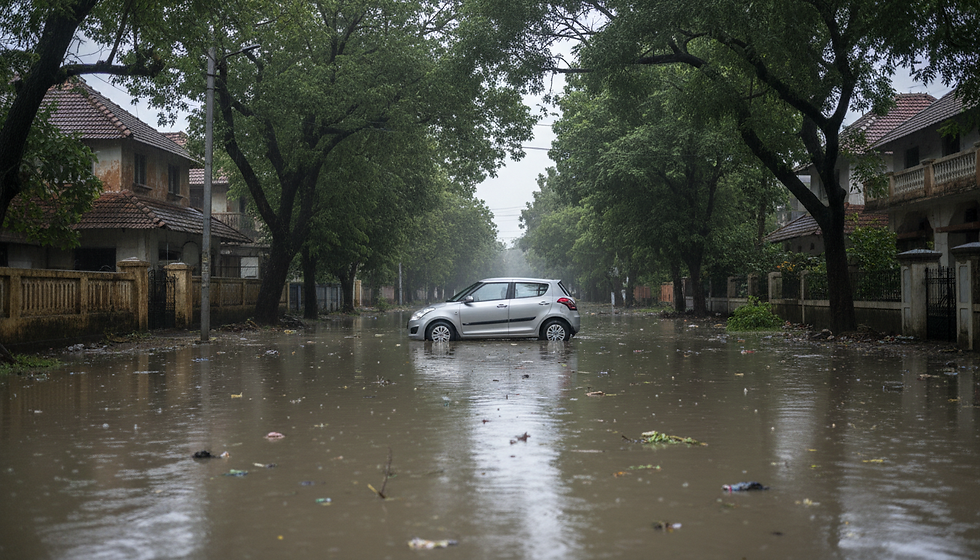
For a new car in a flood-prone area, engine protection may be valuable. For an older vehicle, the same add-on may be less useful. Suitability matters more than buying every rider or choosing only the cheapest base plan.
Life insurance should match family responsibilities
In life insurance, the premium can vary based on age, health, policy term, sum assured, riders and product type. A term plan usually gives high life cover at a lower premium compared with savings-linked plans, but it does not serve the same purpose.
The key question is simple. If the insured person is no longer around, will the cover help the family manage loans, education costs, household expenses and long-term goals? A low premium with inadequate cover can fail the main purpose of life insurance.
Travel insurance must match destination and activity
Travel insurance can differ widely in medical limits, baggage cover, passport loss, trip cancellation, adventure activity exclusions and emergency assistance. A cheap plan may work for a short domestic trip but may be weak for international travel where medical costs can be high.
Check whether the policy covers the destination, duration, planned activities and emergency evacuation where relevant.
Business insurance should reflect real operating risk
For shops, offices, warehouses, clinics or small businesses, the cheapest policy may cover only basic fire risk. It may not include burglary, stock damage, machinery breakdown, public liability, employee-related covers or business interruption.
Business insurance should reflect the assets, location, customer footfall, contracts and legal exposures of the business. A small price difference can create a large difference in claim support.

What to compare before buying a policy
A practical insurance buying guide India checklist should include more than the premium amount.
Check these points before choosing:
Coverage amount Is the sum insured enough for the real cost of the risk?
Exclusions What situations, illnesses, damages or causes are not covered?
Deductible and co-pay How much will you personally pay during a claim?
Sub-limits Are there caps on room rent, treatments, parts, baggage or specific losses?
Add-ons and riders Which extra benefits are useful for your situation?
Claim conditions What documents, timelines and approvals are required?
Policy duration and renewability Can the policy continue when you need it most?
Network and service support Are hospitals, garages or assistance partners accessible?
Insurer reputation and support quality Is help available when a claim is stressful?
This is where an experienced insurance consultant India or insurance advisor Mumbai can help, especially when policy terms look similar but the fine print is not.
Why premiums differ between policies
Premiums differ because insurers price risk differently. They consider the person insured, asset value, location, claim history, policy term, benefit structure, add-ons and internal underwriting rules.
A health policy for an older person costs more than one for a younger person. A car insured in a high-risk flood zone may cost more than the same model in another area. A business storing expensive stock needs different cover from a small service provider.
Premium difference is not automatically good or bad. It is a signal to ask better questions. What is included? What is missing? What will happen at claim time?

Choose value, suitability and transparency
The right policy is not always the most expensive one. It is the one that fits the need clearly. A student travelling abroad, a family buying health cover, a shop owner protecting stock and a car owner renewing motor insurance all need different answers.
Before buying, compare policies on protection first and price second. Read the exclusions. Ask about claim steps. Check limits and deductibles. Make sure the policy solves the actual risk, not just the budget problem.
Don’t choose insurance by price alone. Choose protection that makes sense for your needs. TrustCare Insurance helps customers across India understand, compare and evaluate insurance options with clarity and transparency. Visit TrustCare Insurance to compare insurance policies before you decide.
This article is for general information only. Always read the policy wording and consult a qualified insurance advisor before making a final decision.

Comments