Why Indians Are Buying More Health Insurance in 2026 7 Key Trends

A hospital bill that once felt manageable can now disturb a family’s savings plan. That is one reason health insurance has moved from a “good to have” product to a core part of household financial planning in India.
In FY26, health insurance represented about 40.8% of India’s non-life insurance sector, making it the largest segment in general insurance. Premiums continued to grow strongly, driven by higher treatment costs, wider awareness, ageing families, digital buying, and rising demand outside metros.
These health insurance trends India 2026 show a clear shift. Indians are not only buying more policies, they are also asking harder questions about cover size, hospital access, exclusions, claim support, and long-term affordability.
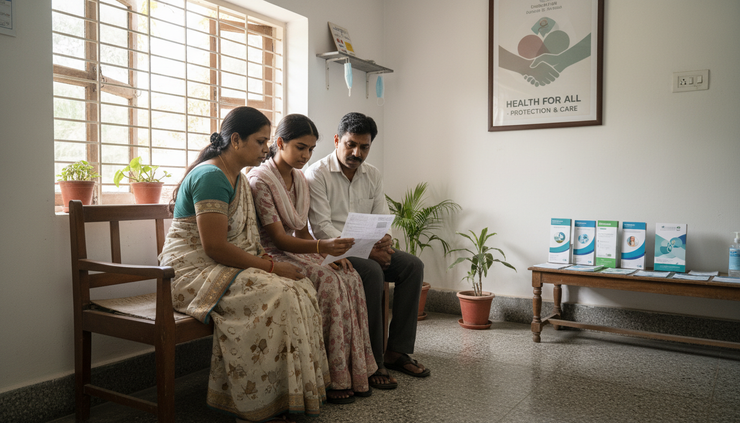
Health insurance has become central to financial protection
Health insurance is becoming more important in India because medical risk has become more visible. A major surgery, cancer treatment, cardiac procedure, accident, or prolonged hospital stay can affect years of savings.
For many families, the decision is no longer limited to whether they need cover. The bigger question is whether the cover is enough.
A ₹5 lakh policy may feel adequate on paper, but in large private hospitals in Mumbai, Delhi NCR, Bengaluru, Pune, Hyderabad, Chennai, and Ahmedabad, the cost of advanced procedures can rise sharply depending on room category, implants, diagnostics, specialist fees, and post-hospitalisation care.
That has made health insurance planning more practical and more urgent.
7 trends changing healthcare protection in India
1. Rising healthcare costs are pushing families to buy cover
Medical inflation in India has made treatment more expensive across cities. Hospitalisation bills can include surgeon fees, nursing charges, medicines, scans, consumables, ICU charges, and follow-up treatment.
This affects insurance decisions in three ways:
Families increase their sum insured.
Buyers compare room rent limits, co-pay clauses, and exclusions more carefully.
People look at top-up or super top-up plans to handle large bills.
Rising healthcare costs India are one of the strongest reasons behind higher health insurance demand.
2. Awareness has improved after recent health shocks
The pandemic years changed how people viewed medical risk. Even younger earners began to understand that employer cover may not be enough, especially if they change jobs or support parents.
Awareness is also growing through hospitals, online calculators, claim stories, agents, comparison platforms, and financial education content. More buyers now ask about:
Waiting periods
Pre-existing disease coverage
Cashless hospital networks
No-claim benefits
Restoration benefits
Claim settlement process
This rise in health insurance awareness is helping people move from basic policies to more suitable protection.

3. Ageing parents are changing household cover needs
India’s ageing population is another major driver. Many working adults now support parents who may need regular consultations, tests, and treatment for chronic conditions.
Even when parents are healthy, buying cover late can mean higher premiums, longer waiting periods, or stricter medical checks. This has encouraged families to plan earlier.
A household with two adults, two children, and elderly parents may need separate policies or carefully structured family floater cover. The right choice depends on age, health history, city of residence, and hospital preference.
4. Coverage requirements are getting higher
Health insurance growth in India is not only about more people buying policies. It is also about people buying larger cover.
In metros, many families now question whether ₹5 lakh or ₹10 lakh is enough. In cities with expensive private healthcare, people may prefer higher base cover or add a super top-up plan.
This change comes from real experience. A single hospitalisation can use up the full sum insured if it involves ICU care, advanced surgery, implants, or multiple complications.
5. Demand is growing beyond metropolitan cities
Health insurance penetration India is still developing, but demand is spreading beyond the largest cities.
Tier 2 cities such as Jaipur, Lucknow, Indore, Surat, Coimbatore, Nagpur, Kochi, and Visakhapatnam are seeing more private hospitals, diagnostic centres, and specialist care. Families in these cities increasingly want cashless access and better protection.
Tier 3 cities and smaller towns are catching up too. Awareness may be lower than in metros, but digital access, local hospitals, and rising aspirations are changing the market.
6. Digital insurance adoption has made buying simpler
Digital platforms have changed how Indians compare and buy health insurance. People can now check premiums, benefits, waiting periods, hospital networks, and add-ons from their phones.
This does not remove the need for advice. In fact, easier access often leads to more questions. Buyers want help understanding policy wording, claim conditions, and whether a cheaper plan may have limits that matter later.
Digital adoption has increased reach, especially in locations where traditional insurance access was limited.
7. Consumers now expect clearer service and faster claims
Indian consumers are becoming more demanding. They expect transparency before buying and support during claims.
Common expectations include:
Simple policy explanations
Clear hospital network details
Faster cashless approvals
Easy renewal reminders
Better support for family members
Digital claim tracking
This shift is forcing the health insurance market to focus not only on price, but also on experience.
What metros, Tier 2 cities and Tier 3 cities are showing
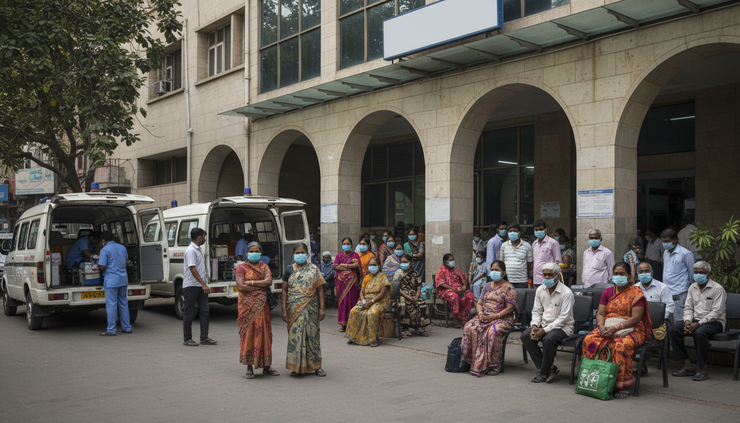
Metro cities
In Mumbai, Delhi NCR, Bengaluru, Pune, Hyderabad, Chennai and Ahmedabad, health insurance decisions are shaped by high private hospital costs and access to advanced treatment. Buyers often focus on higher cover, wider hospital networks, maternity benefits, critical illness add-ons, and lower out-of-pocket risk.
Tier 2 cities
In Tier 2 cities, health insurance demand is increasing as private hospitals expand and families seek better care closer to home. Buyers are often price-conscious but willing to pay more for cashless treatment and adequate cover.
Tier 3 cities
In Tier 3 cities and smaller towns, demand is rising from a smaller base. People may buy health insurance after seeing a relative face a large hospital bill. Trust, local advice, simple explanations, and claim support play a major role here.
Across all three markets, healthcare costs influence decisions directly. When families compare the cost of one major hospitalisation with annual premiums, insurance starts to look less like an expense and more like protection against financial shock.
Why health insurance became India’s largest non-life segment
Health insurance became the largest non-life insurance segment because it connects with a risk every family understands. Motor insurance is often mandatory. Property insurance is still underused by households. Health insurance, by contrast, protects against a cost that can arrive suddenly and affect anyone.
The segment also benefits from multiple demand sources:
Individual retail policies
Family floater plans
Employer group insurance
Government-backed health schemes
Senior citizen policies
Top-up and super top-up products
As medical inflation India continues to shape household budgets, the role of health insurance is likely to stay strong.

The practical takeaway for 2026
Indians should review their health insurance coverage because treatment costs, family needs, and policy features change over time. A plan bought five years ago may not match current hospital charges or family responsibilities.
A useful review should check the sum insured, exclusions, waiting periods, room rent limits, network hospitals, claim process, and whether parents or dependants need separate cover.
Planning your health protection? TrustCare Insurance helps individuals and families across India understand their health insurance options and make informed decisions. Visit TrustCare Insurance to learn more.
This article is for general educational information only. Health insurance choices should be made after reading policy terms and assessing personal needs.

Comments