Why Property Insurance Premiums Are Rising in India 2026 Explained

A property insurance bill can change even when the building has not. In India, insurers are paying closer attention to floods, fire safety, construction costs and past claims, which is why many owners are asking why their property insurance premium India quote looks different for 2026.
Recent reporting has pointed to hardening property insurance rates after major flood losses. That does not mean every policyholder will face the same increase. Premiums and discounts depend on the risk profile of each property, its location, use, value and claims history.
This article is for information only. Insurance terms, pricing and coverage vary by insurer and policy wording.

Why property insurance is becoming expensive in India
Property insurance pricing changes when the cost of risk changes. For 2026, insurers are looking more closely at loss patterns across homes, shops, offices, factories and housing societies.
Key reasons include:
Natural catastrophes
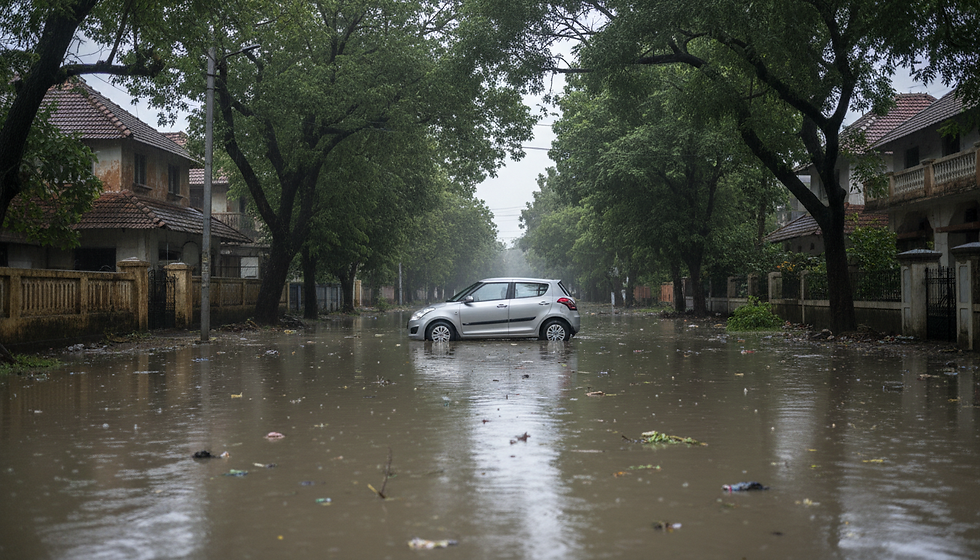
Floods, cyclones, cloudbursts and severe rainfall can create large losses across many properties at once. When insurers see repeated catastrophe losses, they may revise rates, limits, deductibles or discounts.
Flood exposure
A ground-floor shop in a low-lying market may carry a different risk from a third-floor flat in a well-drained neighbourhood. Flood maps, past waterlogging and proximity to rivers, lakes or coastal areas can influence pricing.
Fire risk
Fire insurance India pricing can be affected by electrical systems, storage of flammable goods, cooking areas, fire extinguishers, sprinklers, hydrants and building occupancy.
Higher repair and reconstruction costs
Cement, steel, labour, electrical fittings and finishing materials can become costlier. When rebuilding a damaged property costs more, the sum insured may need revision, which can raise the premium.
Claims experience
A property or portfolio with repeated claims may be treated differently from one with clean loss history.
The broader discussion around property insurance India 2026 is not only about higher prices. It is also about more accurate pricing for property risk India, especially after major flood and fire losses.
What affects property insurance premiums
A property premium is not based on one factor. Insurers usually assess several points together.
Factor | How it can affect the premium |
Property location | Flood-prone, cyclone-prone or congested areas may attract closer scrutiny |
Construction type | RCC buildings, older structures, temporary roofs and mixed materials carry different risks |
Occupancy | A residence, grocery shop, restaurant, warehouse and clinic do not have the same exposure |
Sum insured | Higher property value usually means a higher premium |
Fire protection | Extinguishers, alarms, hydrants and electrical maintenance can affect risk assessment |
Deductible | A higher deductible may reduce the premium, but increases out-of-pocket cost during a claim |
Claims history | Frequent or severe claims can reduce discounts or change terms |
Security and maintenance | Guarding, CCTV, drainage, housekeeping and repairs can support better risk quality |
A deductible is the amount the policyholder bears before the insurer pays an admissible claim. Choosing a higher deductible can lower the premium in some cases, but it should be affordable during a loss.

Does location affect property insurance?
Yes. Location can affect building insurance, home insurance premium and commercial property insurance India quotes.
For example:
A flat in a Mumbai suburb with repeated monsoon waterlogging may be assessed differently from a similar flat on higher ground.
A shop in a dense old market with narrow lanes may have higher fire and access concerns than a shop in a planned complex.
A coastal property in Odisha, Andhra Pradesh, Gujarat or Tamil Nadu may need closer catastrophe review because of cyclone exposure.
A housing society near a river, lake or hill slope may need stronger drainage and maintenance records.
Location does not work alone. A well-maintained building with good drainage, electrical checks and fire systems may present a better risk than a poorly maintained property in the same area.
How property value is calculated for insurance
Insurance value is not always the same as market value.
For a building, insurers usually look at the reinstatement or reconstruction cost. This means the estimated cost to rebuild the structure, not the price of the land. A simple method is:
Built-up area × current reconstruction cost per square foot
For contents, the value may include furniture, appliances, electronics, fixtures and personal belongings. For a business, it may include stock, machinery, equipment, interiors and other business property.
Examples:
A homeowner may insure the building structure and household contents separately.
A shopkeeper may insure stock, racks, counters, signboards and electrical fittings.
An office may insure interiors, computers, servers, furniture and equipment.
A housing society may insure the building structure, common areas, lifts, pumps, compound walls and shared facilities.
Underinsuring property can create problems at claim time. If the sum insured is much lower than the actual value, the claim payout may be reduced under average clause provisions, depending on the policy wording.
Why premiums and discounts can change after major catastrophe events
After large flood, cyclone or fire losses, insurers may update their view of risk. This can affect:
Base premium rates
Catastrophe loadings
Deductibles
Policy limits
Discounts
Required risk improvements
Documents needed for underwriting
This does not mean every homeowner, shopkeeper or housing society will see the same increase. Some properties may see a higher premium, some may see only a small change, and some may retain favourable terms if their risk controls are strong.
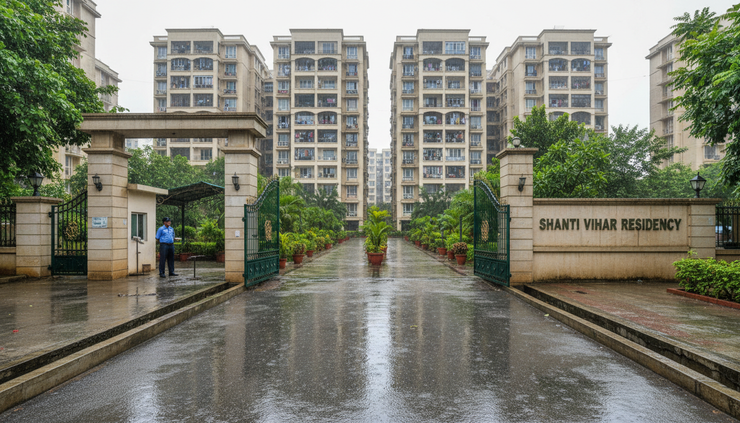
For instance, a housing society with functioning drainage, pump maintenance records, fire systems and updated building values may receive a different quote from a society with poor maintenance and repeated water seepage claims.
Building, contents and business property are not the same
Many policyholders confuse what is insured. The difference matters.
Building insurance covers the physical structure. This may include walls, roof, flooring, electrical wiring, plumbing and permanent fixtures, depending on the policy.
Contents insurance covers movable items inside the property. In a home, this can include furniture, appliances and electronics.
Business property insurance can cover assets used for business, such as stock, machinery, tools, computers, interiors and fixtures. A kirana shop, garment store, clinic, restaurant and warehouse will need different coverage.
A shopkeeper should not assume the landlord’s building insurance covers shop stock. A tenant should not assume contents are covered under the society’s master policy. A housing society should not assume individual flat contents are covered unless the policy clearly says so.

Should businesses review property insurance in 2026?
Yes. Businesses should review property insurance at least once a year, and sooner after expansion, renovation, stock increase or relocation.
A practical review should check:
Whether the sum insured reflects current replacement cost
Whether stock values rise during festival or wedding seasons
Whether fire extinguishers and electrical systems are maintained
Whether flood exposure has changed due to nearby construction or drainage issues
Whether the deductible is affordable
Whether business interruption cover is needed
For offices, the review should include computers, electrical equipment, furniture, records, interiors and leased premises responsibilities. For shops, it should include stock valuation, shutters, signage, refrigeration units and storage practices.
FAQ
Why is property insurance becoming expensive?
Property insurance can become expensive when insurers see higher claim costs, repeated catastrophe losses, rising construction costs and increased fire or flood exposure. The change is not uniform for every policyholder.
What affects property insurance premiums?
Premiums are affected by location, property value, construction type, occupancy, claims history, deductibles, fire safety, flood exposure and maintenance quality.
Does location affect property insurance?
Yes. Areas with flood, cyclone, fire access or waterlogging concerns may be assessed differently. The condition of the building and risk controls also matter.
How is property value calculated?
For buildings, insurers often use reconstruction cost rather than market value. For contents and business assets, values are usually based on replacement cost, purchase cost, stock records or valuation documents.
Should businesses review property insurance?
Yes. Businesses should review cover when stock, interiors, equipment, location or risk exposure changes. A yearly review helps reduce underinsurance.
Final takeaway
Property insurance premiums are changing because property risks are changing. Flood exposure, fire safety, rebuilding costs, location, claims history and accurate valuation all matter.
For 2026, the best approach is not to buy the cheapest policy blindly. Review what is covered, what is excluded, how values are calculated and whether the deductible is practical.
TrustCare Insurance helps individuals, businesses and housing societies understand suitable property and insurance protection. Visit TrustCare Insurance to review your property cover with clearer guidance.


Comments